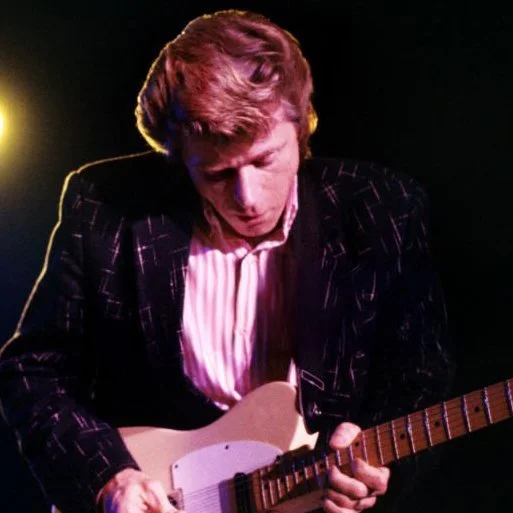
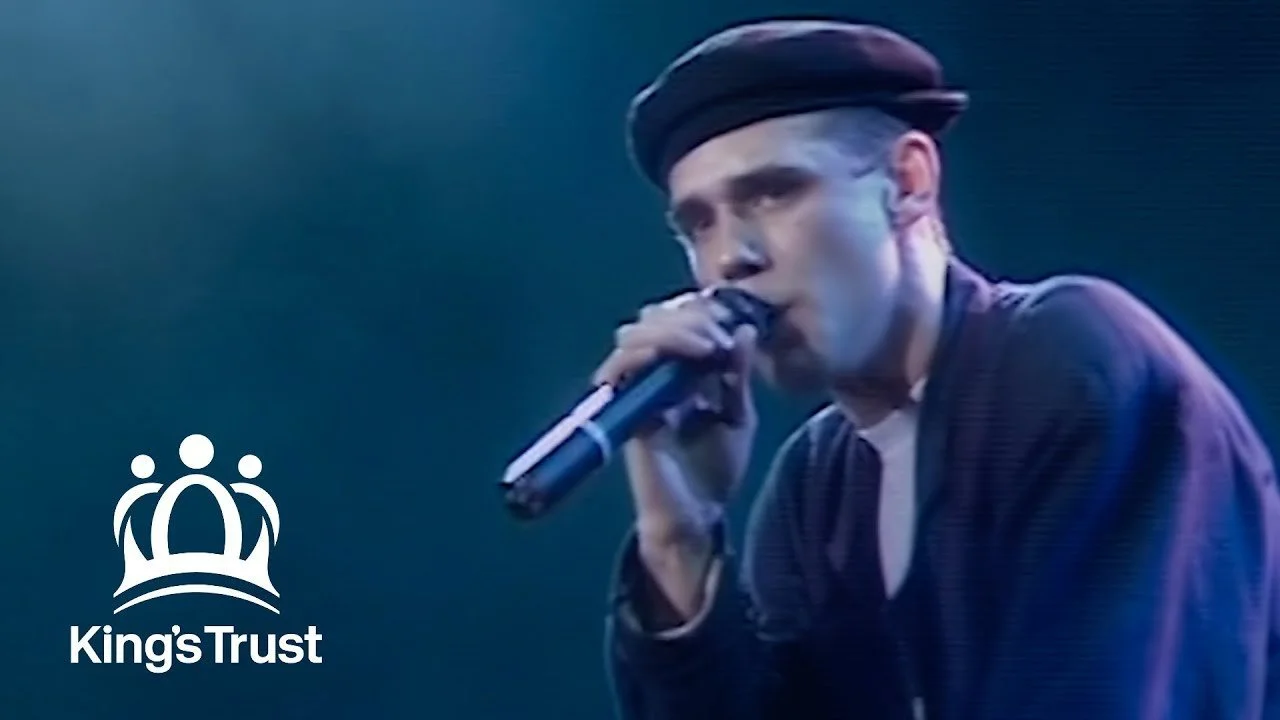
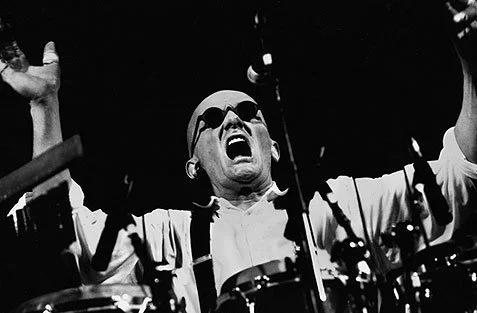
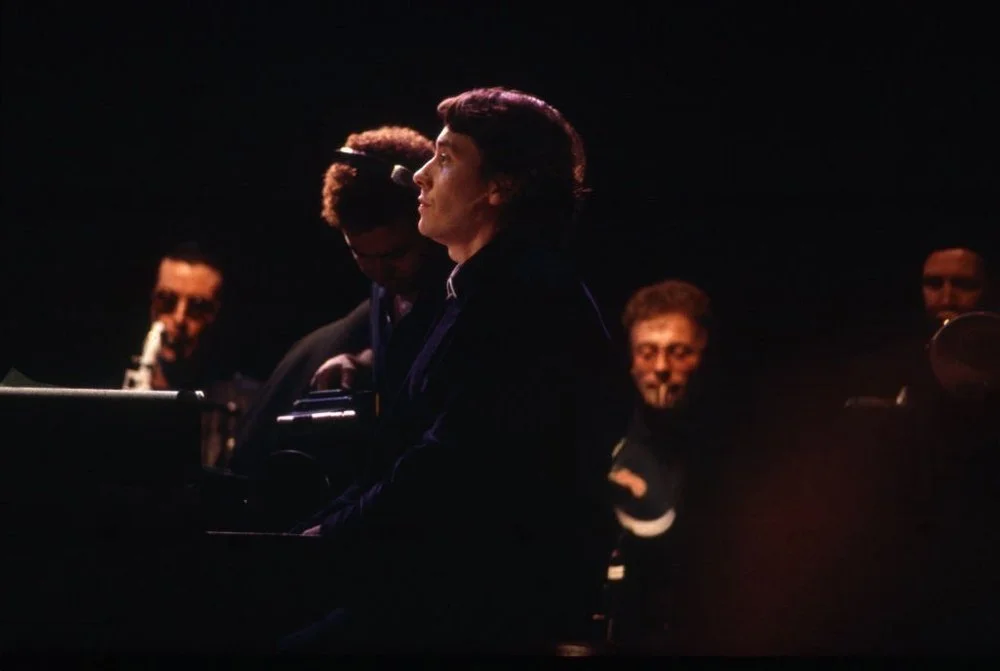
The Era of the Super House Band -Part II - 1987

“By Jove, without them, there wouldn’t be us.”

Wembley Arena - June 5th & 6th 1987
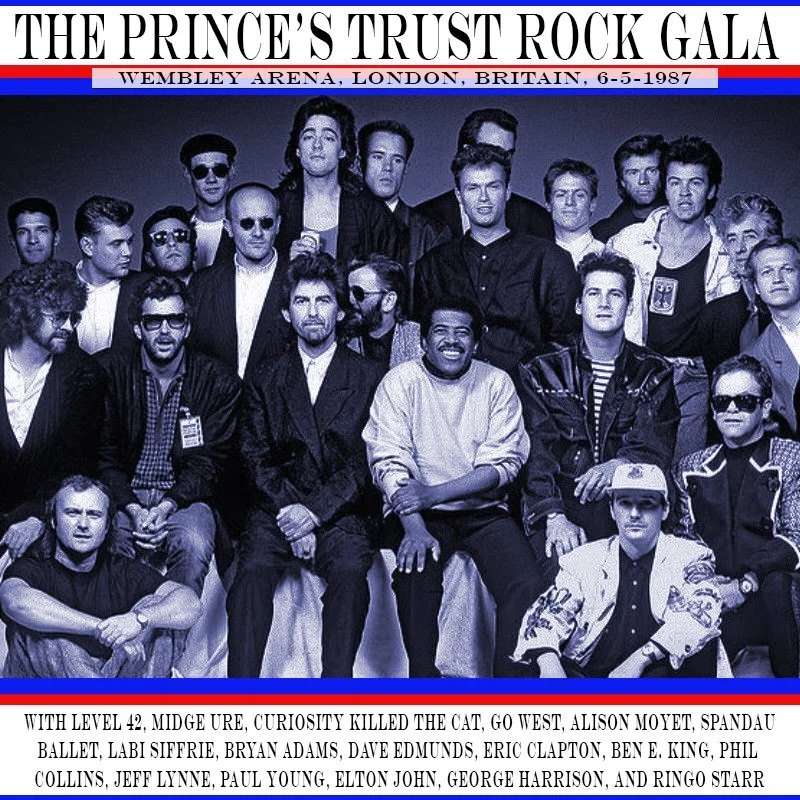
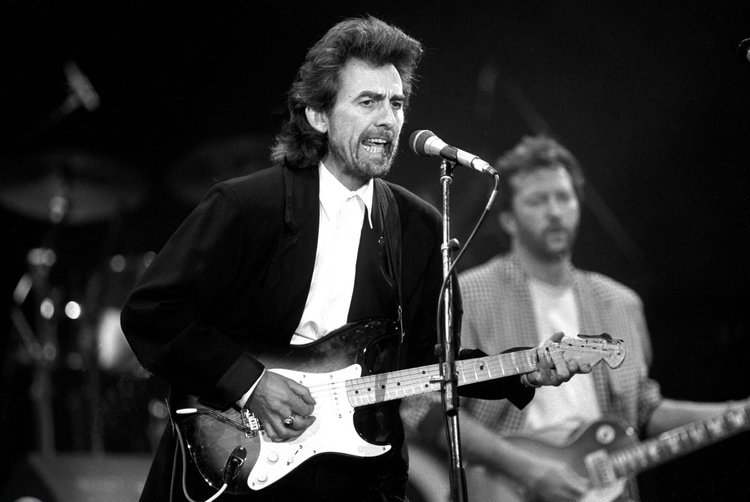
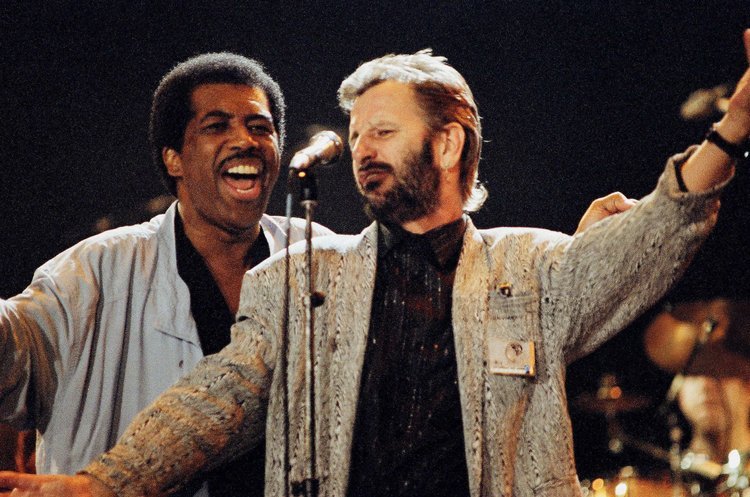
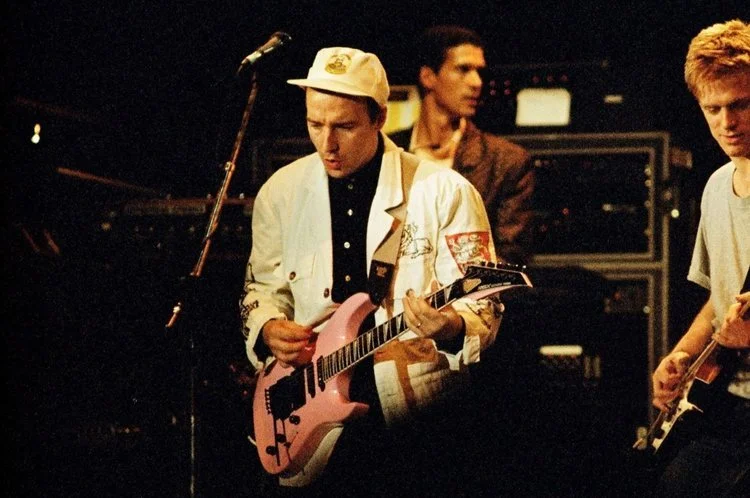
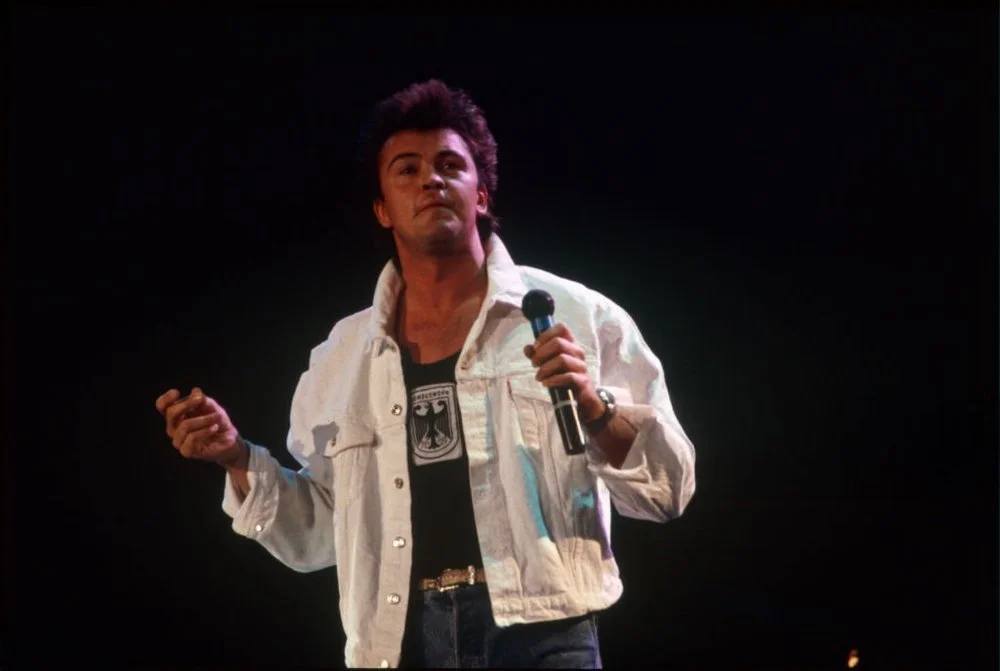
1987 House Band

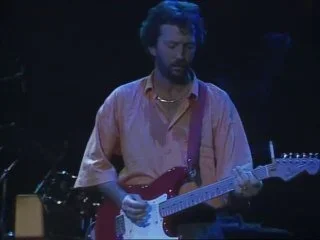
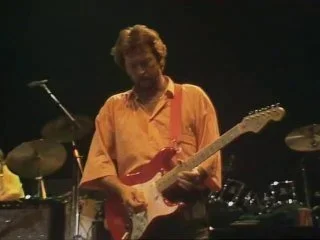
Eric Clapton – guitar / vocals

Midge Ure – guitar / vocals

Elton John – piano / vocals

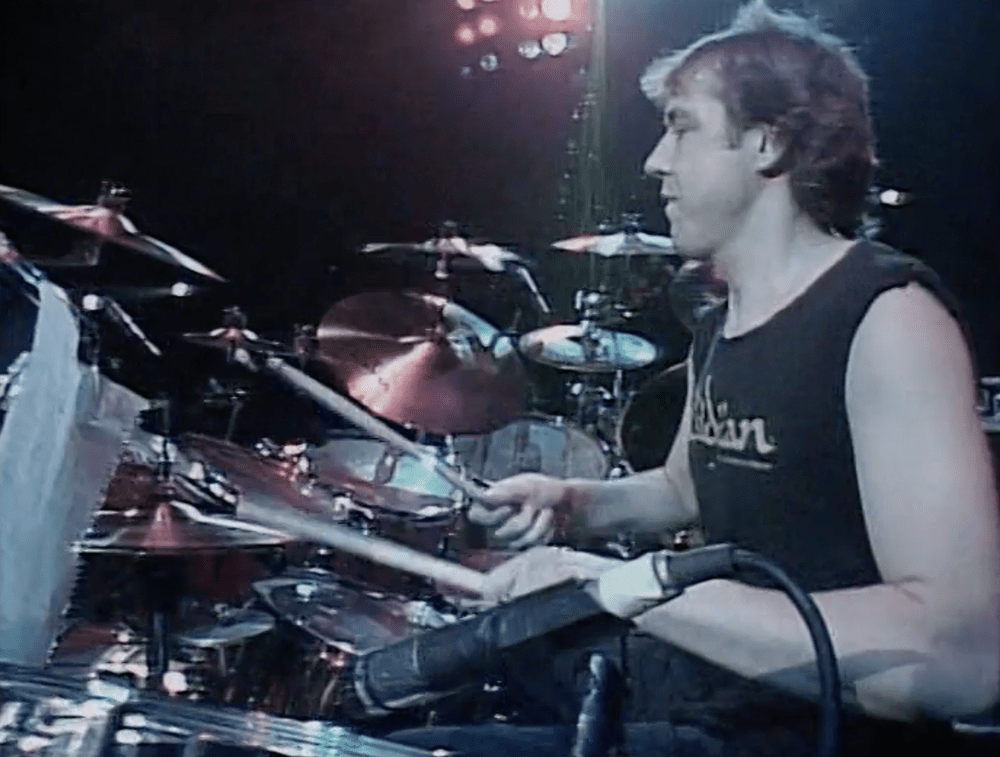
Phil Collins – drums / vocals

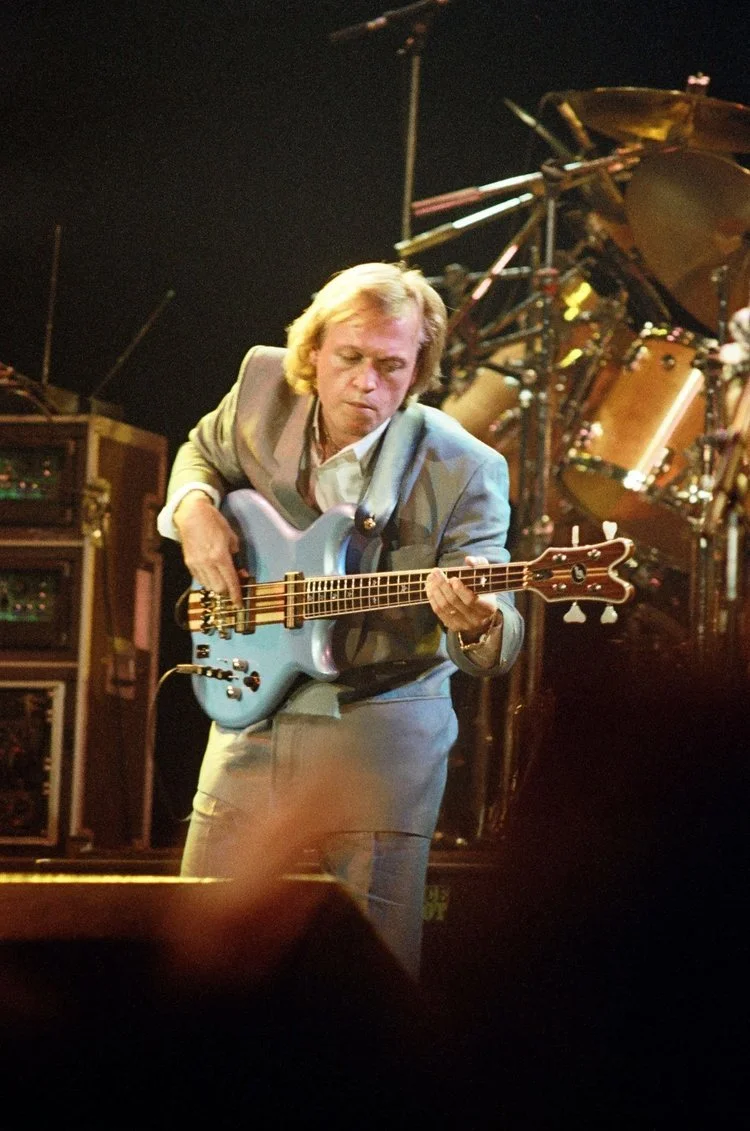
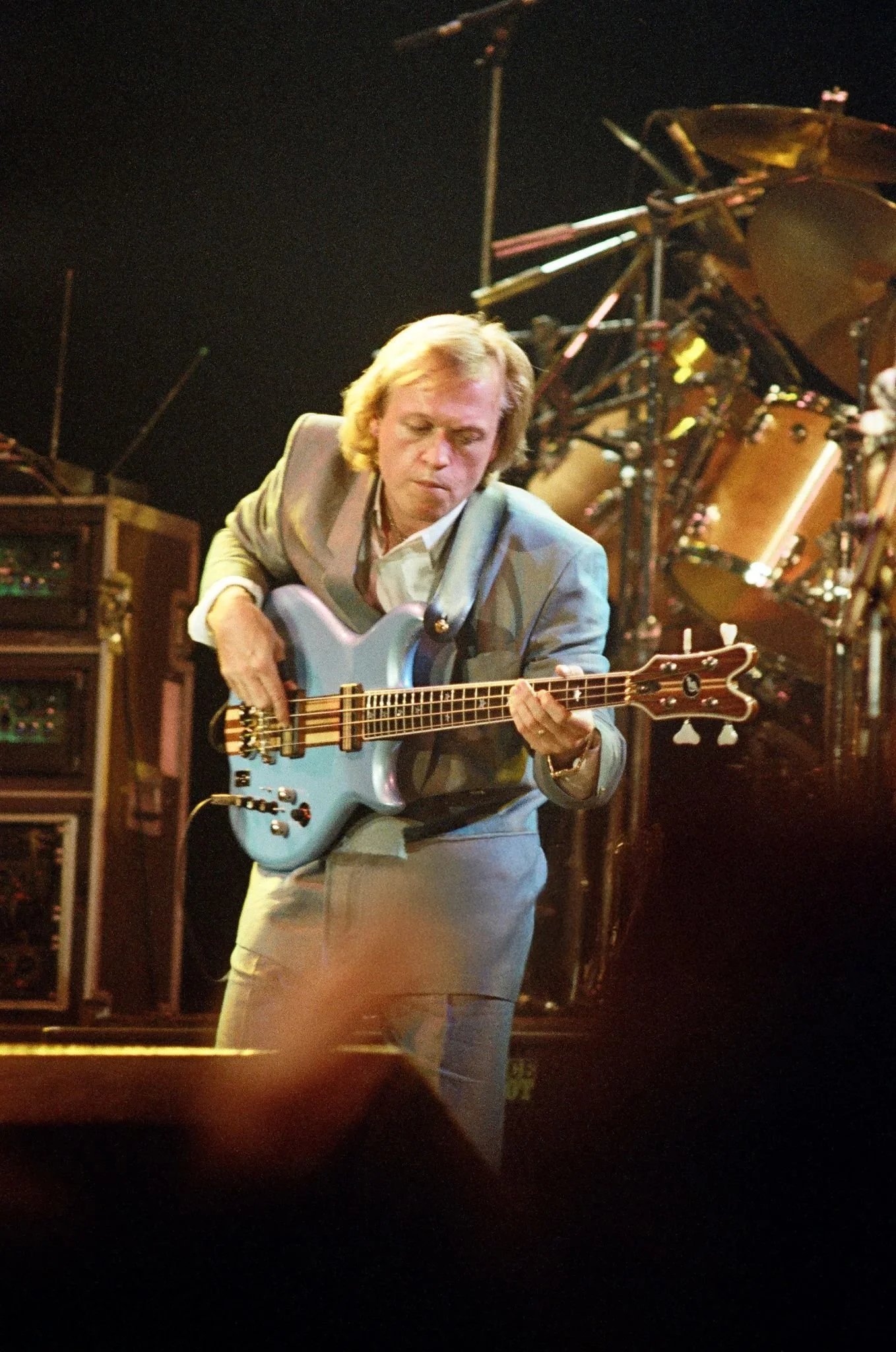
Mark King – bass / vocals

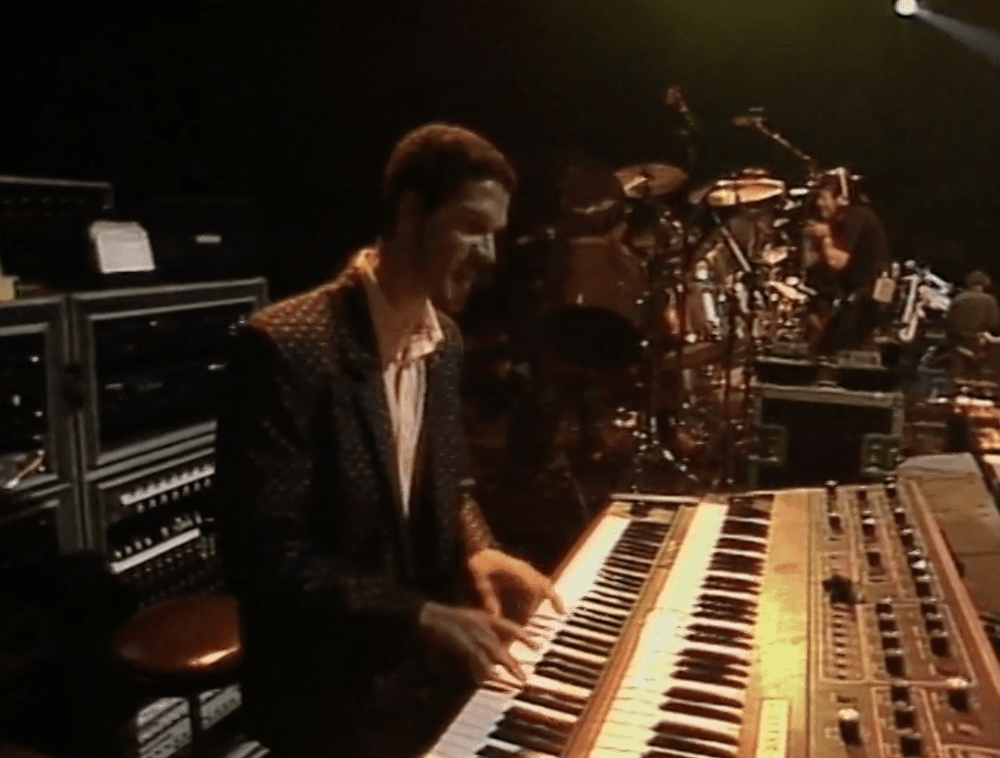
Mike Lindup - keyboards

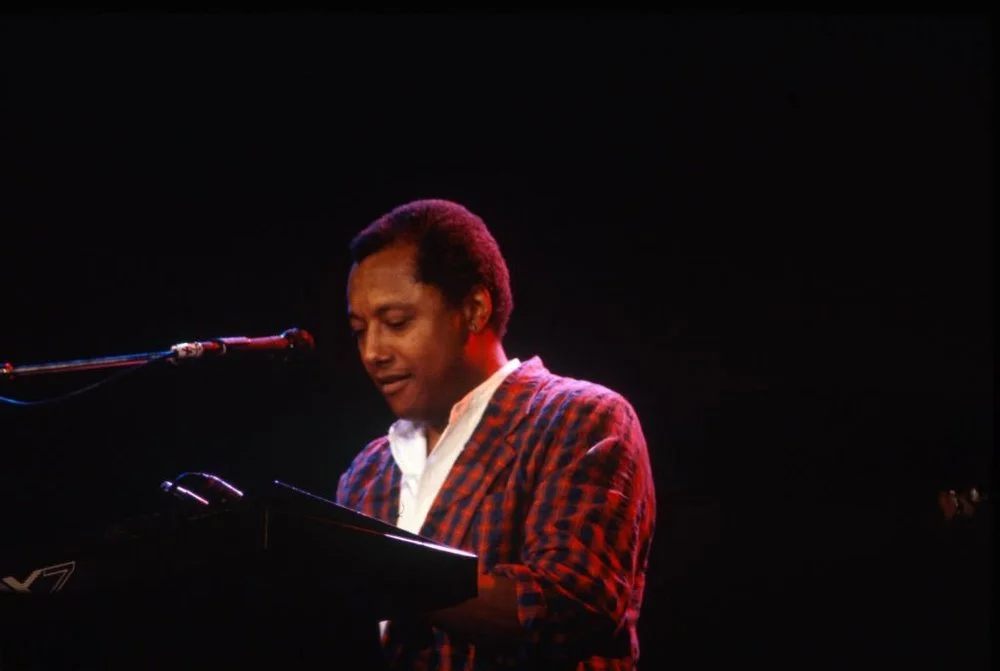
Jools Holland - keyboards

Mark Brzezicki - drums

Ray Cooper – percussion

Set List

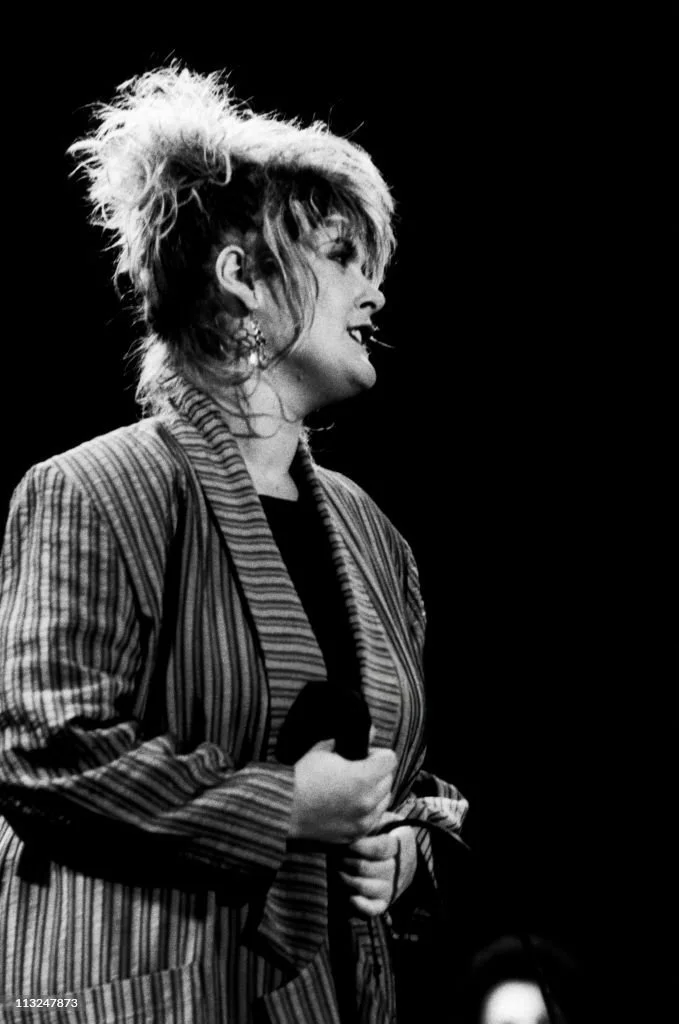
01. Invisible – Alyson Moyet
02. Hearts Of Fire – Bryan Adams
03. Run To You - Bryan Adams
04. Somebody - Bryan Adams
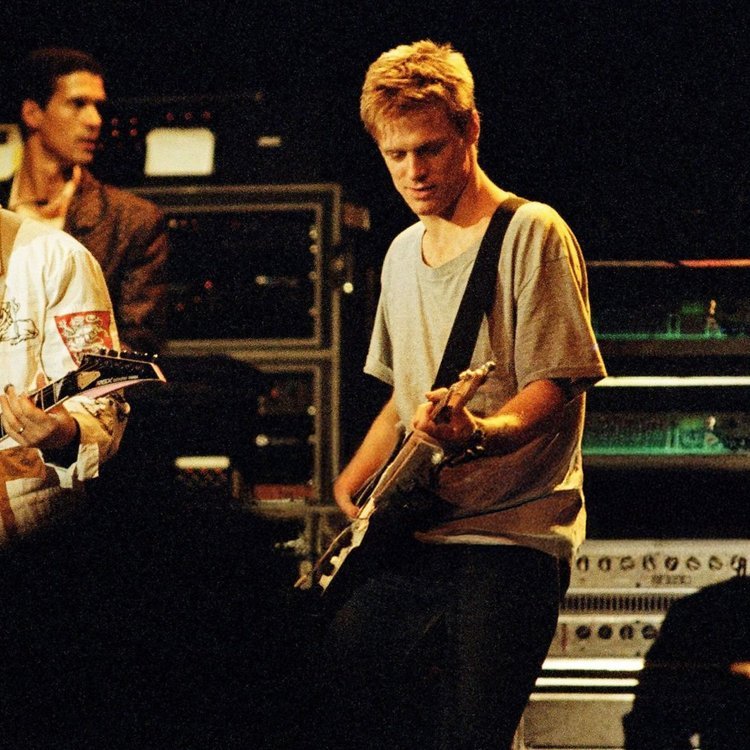
05. The Wanderer – Dave Edmunds and Bryan Adams
06. Misfit – Curiosity Killed the Cat
07. So Strong – Labi Siffre
08. Running In The Family – Level 42 (Mark King and Mark Lindup w/Eric Clapton)
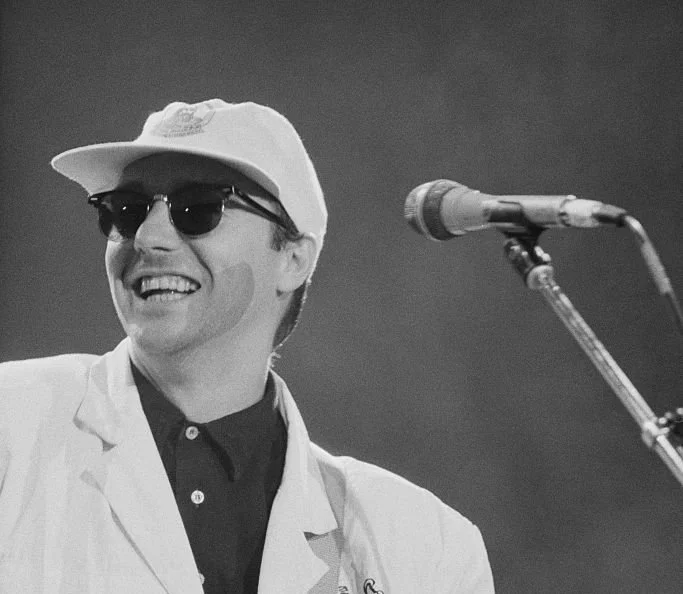
09. If I Was – Midge Ure
10. Don’t Look Down – Go West
11. Wonderful Tonight – Eric Clapton
12. Behind The Mask – Eric Clapton
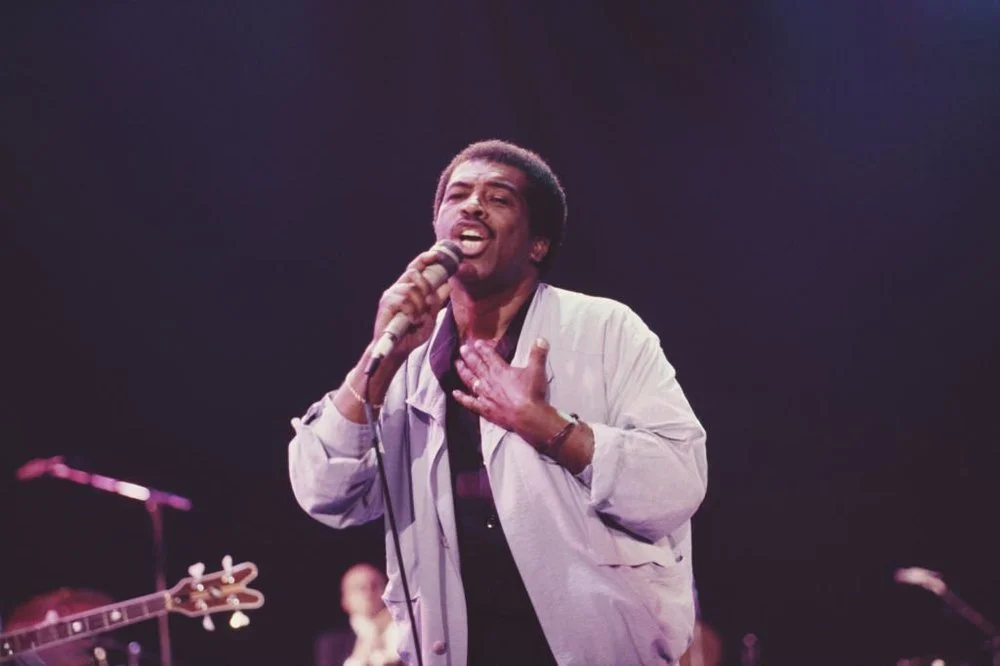
13. Stand By Me – Ben E. King w/ Eric Clapton
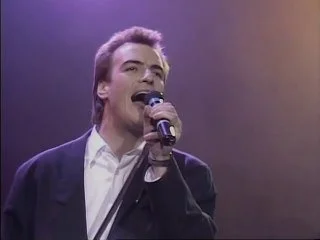
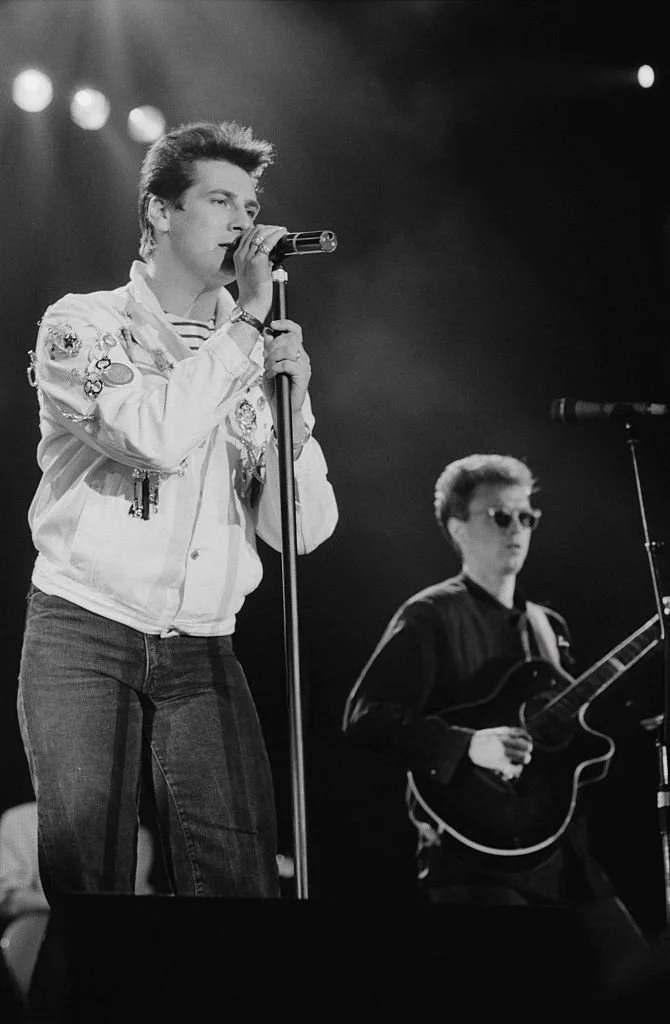
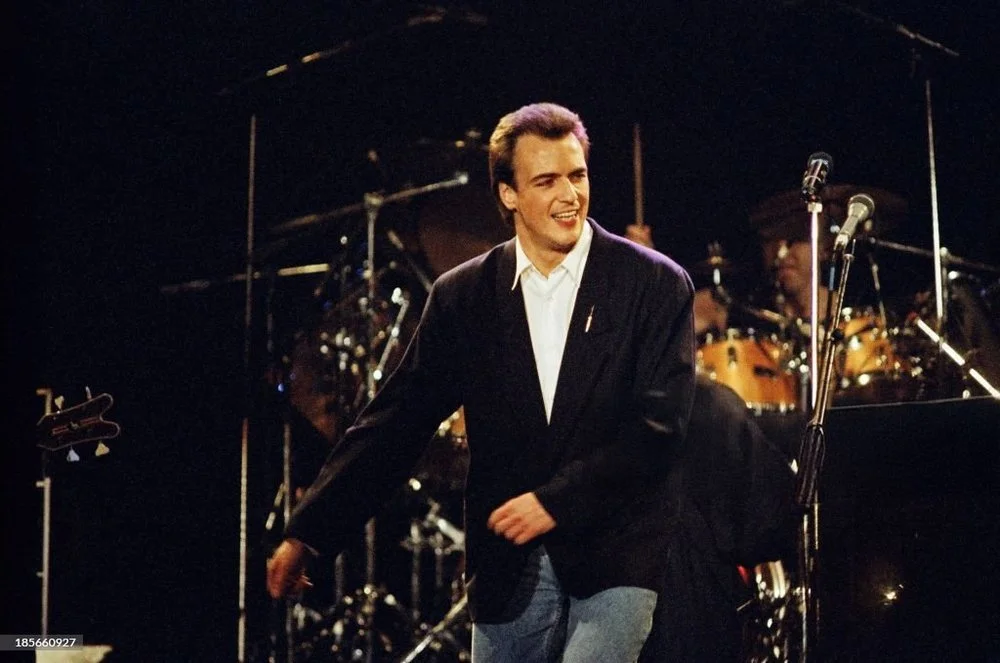
14. Through The Barricades – Spandau Ballet (Tony Hadley & Gary Kemp w/ Eric Clapton)
15. Your Song – Elton John
16. Saturday Night’s Alright (For Fighting) – Elton John & Bryan Adams
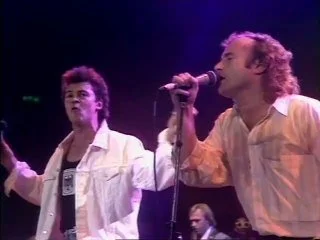
17. Reach Out, I’ll Be There / Can’t Help Myself / Same Old Song – Phil Collins & Paul Young
18. You've Lost That Lovin' Feeling – Phil Collins & Paul Young
19. While My Guitar Gently Weeps – George Harrison, Ringo Starr and Eric Clapton
20. Here Comes the Sun – George Harrison and Ringo Starr
21. With a Little Help From My Friends – Ringo Starr and George Harrison, All Stars

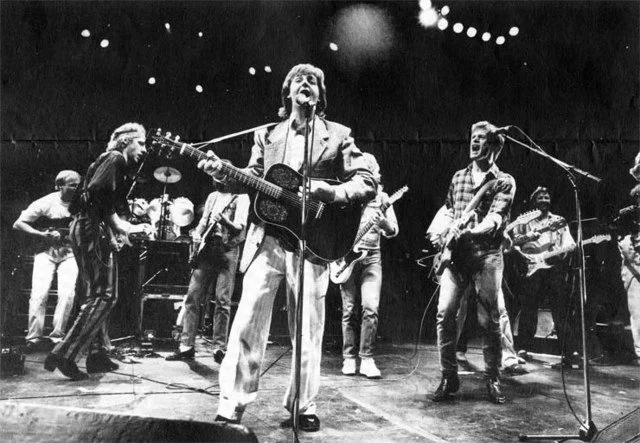
1987’s concert is our sequel to Midge’s 1986 ‘House Band’. The overall structure is the same: some current artists play a mini set each, with a mini House Band made up of some of the different bands, then the ‘All Stars’ house band come out and take turns leading on their own songs whilst supporting each other, alongside some special guests. The inclusion of the Phantom Horns adds a welcome dynamic to many of the songs throughout the concert and allows certain songs to be performed at all.

It’s a shame Knopfler couldn’t make it this year, but Midge steps up to the plate and takes on more guitar duties. Mike Lindup from Level 42 and Jools Holland switch in for Howard Jones on keyboards and Big Country’s Mark Brzezicki on drums (joining Phil Collins and Ray Cooper). The Venn diagram of charity gigs with multiple drummers on stage + Ray Cooper on percussion is a near perfect circle.

Like the 86 concert, room is made for current performers in the shape of Go West, Alison Moyet, Spandau Ballet’s Tony Hadley and Gary Kemp, Labi Siffre, Curiosity Killed The Cat, Dave Edmunds and Bryan Adams.

Fresh from winning "British Breakthrough Act" at the 1986 Brit Awards, Go West performed a full-throttled ‘Don’t Look Down’, with a mini 80’s Super House Band, formed of Big Country’s drummer, Mark Brzezicki, Midge Ure on guitar, Mark King on Bass, Jools Holland on keyboards, and Go West’s own session lead guitarist, Alan Murphy.

From the outset, it’s a barnstorming performance: Midge’s no-nonsense intro, Peter Cox’s ‘Be working, be working….GOOD EVENING!’ into the mic, Mark King’s slap bass terrorising Wembley Arena to kick off the song and then a superb Van Halen-esque guitar solo from Alan Murphy, who, whilst wasn’t formally part of the two-man band of Go West, did play with them often as a session player on albums and live. Interesting bit of history here:

In 1985 Peter and Richard were invited to play at the Princes Trust concert. There was a core band that included Level 42’s Mark King on Bass. They insisted on having Alan with them as they were going to play ‘Don’t look down’ and they couldn’t imagine anyone else playing the solo on this. Unfortunately the pressure of being amongst so many of Peter’s respected peers contributed to a very nervous performance which Peter was very self-critical of. He felt he was singing out of key, but Alan sensing the situation, seemed to pull out all the stops, and ‘barnstormed the guitar solo’ and which went someway to rescuing the situation. Watch the video footage below, you will see Mark King taking note of Alan’s outrageous playing Alan from 3:30 onwards. Who would not want this raw talent in their band one day….
— https://alanmurphy.uk/history/go-west/

Don't Look Down - Go West

Cox’s vocals are fantastic in this, and it’s a shame to hear he was critiquing his own performance so harshly. You were great, Pete! That’s how you get to greatness, though, kids. From our point of view, he’s totally in the zone and flexing his voice at times. You’d happily donate a kidney to have them perform King of Wishful Thinking, We Close Our Eyes and Call Me with that band. Why didn’t that mini 80’s super band tour the world together in ‘87? Christ.

When Go West achieved singles success with ‘We Close Our Eyes’ in 1985, just about everything involved with the record was impressive. The subsequent hit singles and Go West album confirmed that not only are Peter Cox and Richard Drummie a very talented pair but also that the production of their records is outstanding. Arif Mardin is reported as describing the Go West sound as ‘Modern Motown’ after hearing an early version of ‘We Close Our Eyes’. Everything to do with the band’s music and presentation has been slick and professional, at times standing head and shoulders above a vacuous landscape of vinyl wastage.
— Go West Producer: Gary Stevenson by Ralph Denyer

I love Go West’s trajectory of having a real vision for the production of their music, and after producing two tracks 'We Close Our Eyes' and 'Call Me' with producer Gary Stevenson, they got a record deal with Chrysalis. There’s a great article here where Ralph Denyer interviews Stevenson on the approach to their music, alongside a fun anecdote where Go West nearly performed the iconic Rock IV training sequence music ‘Hearts on Fire’, they did contribute ‘One Way Street’, which certainly sets the bar for washing your car in style.

I like to be able to hear everything. I like it to be crystal clear, really. We spend a lot of time doing that, getting the frequencies all right. There’s so much more to a good record than just the ideas you know.
— Go West Producer: Gary Stevenson by Ralph Denyer

This reminds me of a quote from advertising legend John Hegarty, who had this statement framed at the offices of BBH, “Advertising is 80% idea and 80% execution”. I would apply this to any artistic endeavour (commercial or otherwise). You need both the idea and the execution to be ‘at 11’ to break through.

I have to take this opportunity to mention their great music video for King of Wishful Thinking directed by FYI - Paul Flattery and Jim Yukich, which was lovingly recreated by Paul Rudd & Jimmy Fallon in 2018. I love exploring the music video styles in the ‘80s and ‘90s, so many interesting ideas, and even if they sometimes didn’t quite land - it was fun to see people at least trying. This video certainly lands and creates many iconic images. The exaggerated enthusiasm in the performances is made even starker when seeing Rudd emulate Cox’s physicality through a 2018 lens, but in 1990, it fits. Smart they weaved in nods to Pretty Woman in the video, too, with an avatar of Julia Roberts’ Vivian. (This track plays in the opening credits of the film).

Also worth noting that ‘Call Me’ was on GTA Vice City’s Flash FM. You know you’ve made a cultural impact when you appear in a GTA radio playlist.

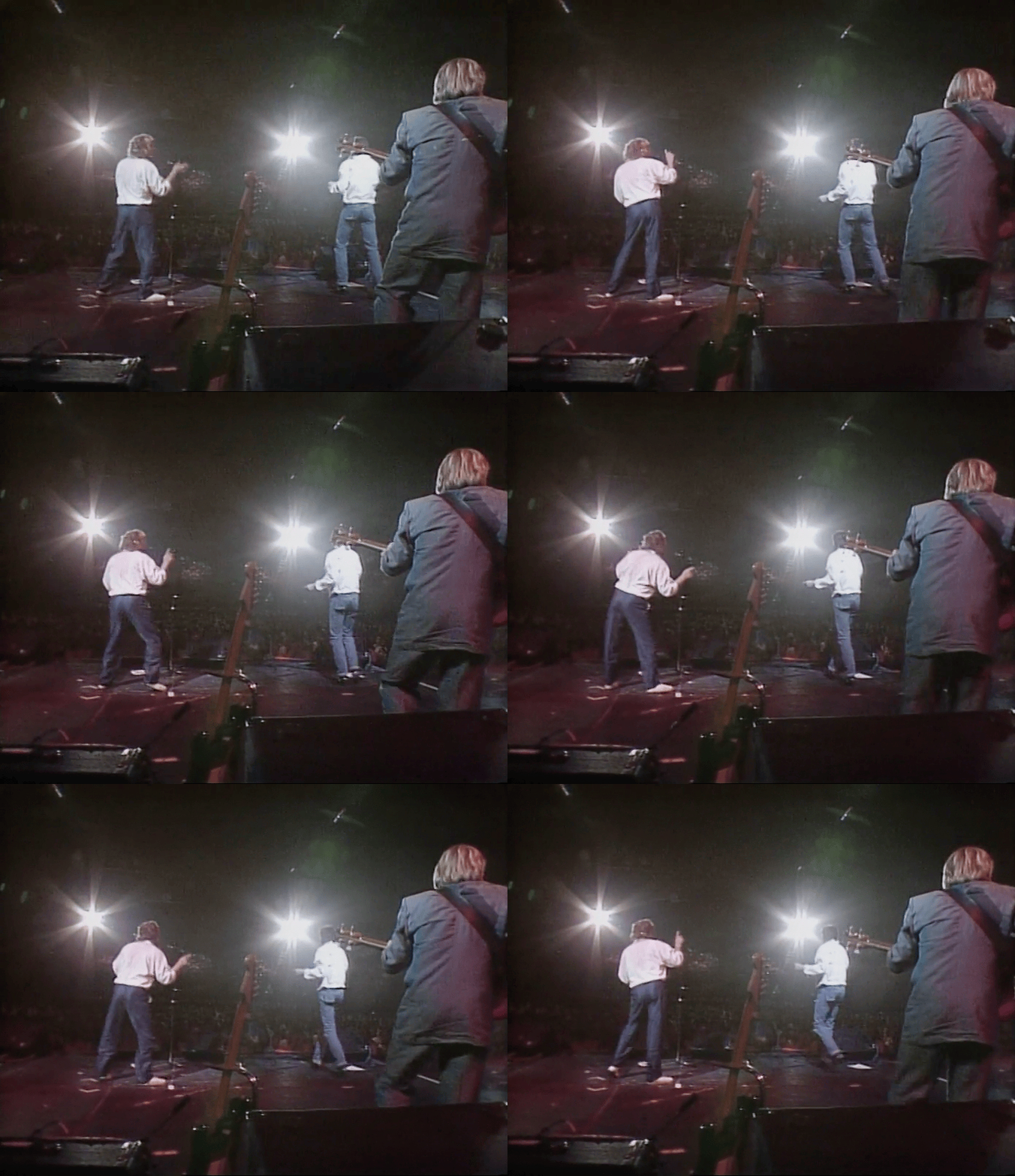
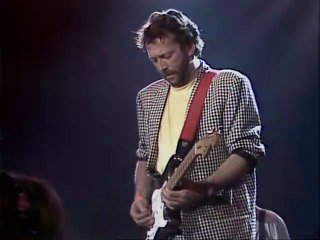
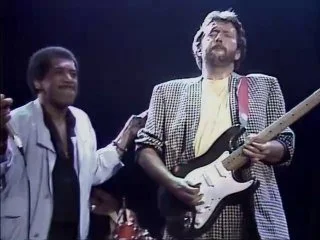
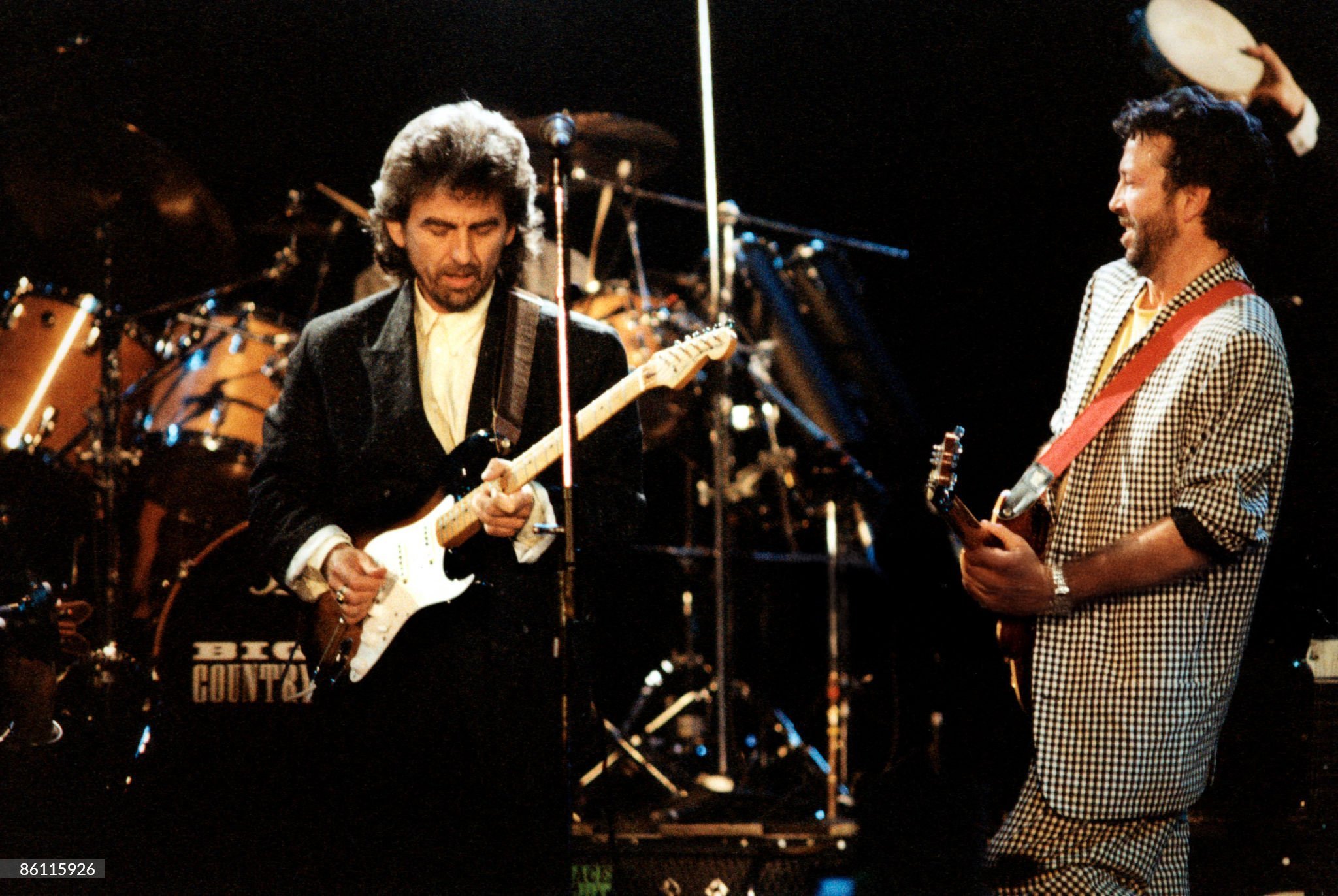
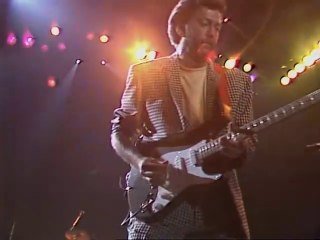
Level 42 showcases their live credentials again, with Mark King and Mike Lindup performing a rousing ‘Running in the Family’ with a great short solo by Clapton. I love right at the start when you hear the click track time the band in and everyone kicks in simultaneously with a brilliant energy. Clapton even shuffles across the stage in time with the beat. The track's pace and musicianship reflect Level 42’s live performances, which if you haven’t heard on Spotify/Apply Music, do check out. This is our first glimpse of Clapton’s interesting choice of light yellow t-shirt and black and white check suit combo, the usually sartorially proficient Clapton gives us a rare miss here!
Running In The Family - Level 42 w/ Eric Clapton

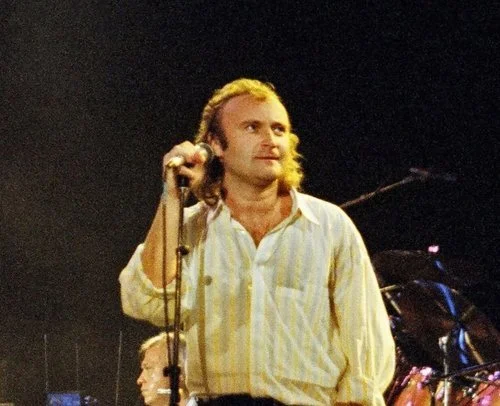
In a shift from the performers singing their own songs and empowered by the presence of the Phantom Horns, Phil Collins and Paul Young perform a medley of Four Tops/Motown tracks - Reach Out, I’ll Be There / Can’t Help Myself / Same Old Song followed up by You've Lost That Lovin' Feeling. It even includes a very of-its-time ‘audience participation time’ where Young and Collins get two sides of the crowd to compete with each other. At Walken & Talken we’ve always been taken by the sheer scale of Phil Collins’ shirt pocket. I love the interplay of Collins and Young and how their voices complement each other. And on Reach Out, I’ll Be There, Collins’ “And I...I’ll be there” gives me chills every time.
Phil shows us his moves during I Can’t Help Myself

If I Was - Midge Ure

The Musical Director gets his turn in the spotlight, with his 1985 No.1 hit, If I Was. Mark King introduces Midge to the mic, and Mark not only plays live, but played on the original recording:

[Midge Ure] invited Mark King of Level 42 to play bass guitar on the song, having met each other in Swansea Top Rank for a Radio One road show event. According to Ure, King “ended up playing the most simplistic bassline you could think of – it was incredibly basic for him. He showed great restraint by not slapping all over it.
— Midge Ure

Midge Ure at the 1987 Prince’s Trust Rock Gala

If I Was came off Ure’s first solo album after Ultravox, The Gift, and was the hit single reaching No.1 in the UK & Ireland and peaking in the top 20 in eight other countries. It also had made an impression on the Latvian public:

The president, who was young, funky and pretty laid-back, told me I was a national hero in Latvia because ‘If I Was’ had been one of the songs that inspired Latvia’s struggle for independence from the Soviet Union. It’s funny the way things work out.
— Midge Ure: If I Was - Autobiography (p. 266).

Alongside the house band, Midge performs a note perfect rendition of the single, Mark King stays in his lane with the straightforward bass line, whilst Clapton couldn’t help adding a little flourish here and there.

Eric Clapton Guest Solo Section 🎸
Through The Barricades

Tony Hadley and Gary Kemp from one of the quintessential 80s bands, Spandau Ballet, perform one of their more solemn songs, Through the Barricades (which I referenced in the 1986 post). This was based on the murder of one of the band’s crew, Kidso, in Belfast during The Troubles.

One hot, sunny evening, Kidso was walking home bare chested through the streets of West Belfast, when he and a few friends were stopped by an army patrol. After giving his name and details he walked away. In one hand was his takeout, in the other his T-shirt. A few seconds later he was dead, shot in the back by a young private who would later become the first British soldier convicted of murder while serving in Northern Ireland. Kidso was twenty-three.
— Gary Kemp, I Know This Much: From Soho to Spandau

They make the most of the support from the stellar house band, most notably with Clapton’s potent lead guitar adding some emotive heft in the latter part of the song. There’s a lovely moment right at the start of the song, where Hadley’s opening bars make Clapton shake his head at the sound of Hadley’s voice.
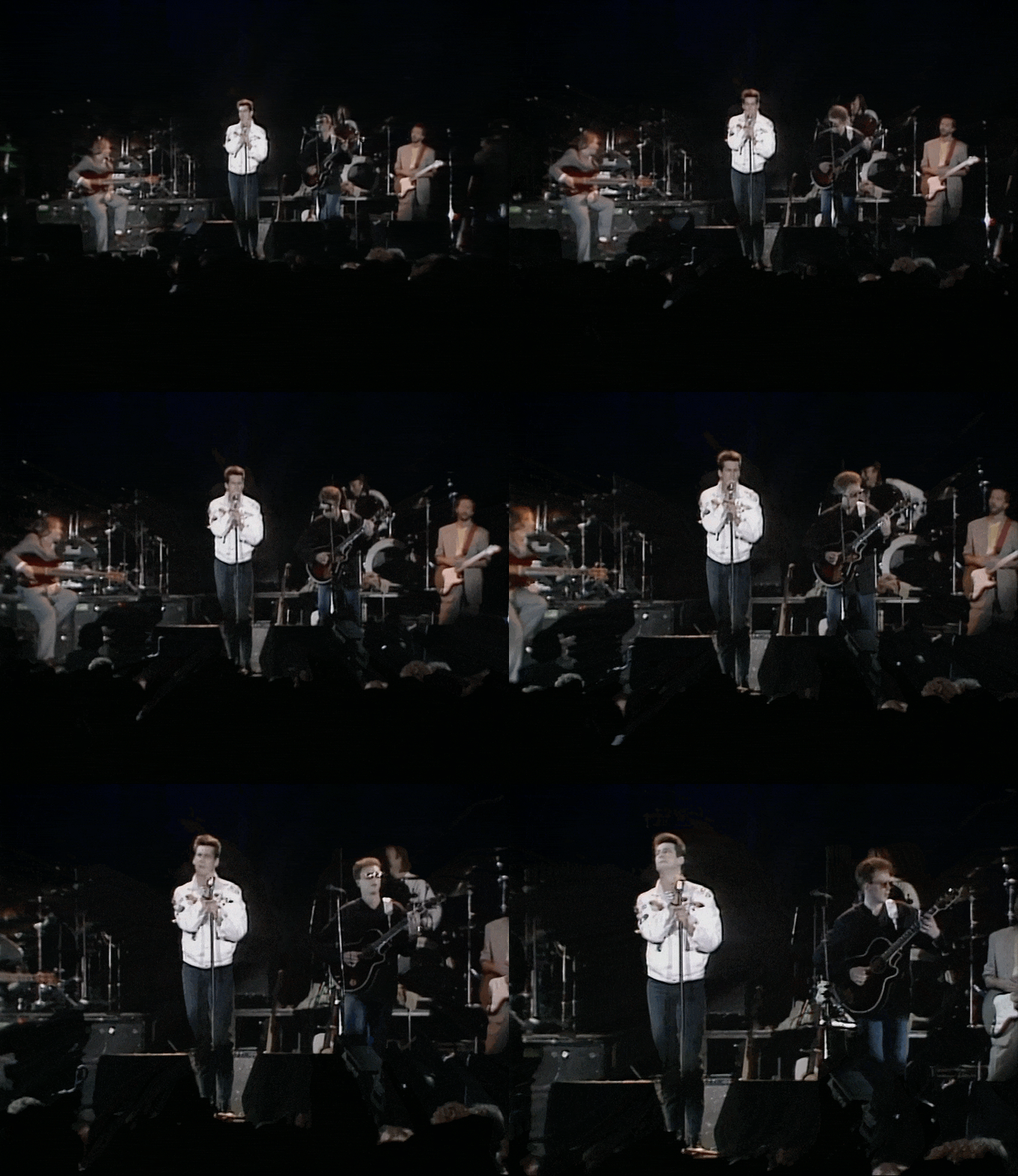
Clapton astonished at Hadley’s vocals.

Interestingly, the video version of this live performance chops off the last three minutes, missing out on some great emotive solos - whoever made the call on that needs to be marched to The Hague. When Hadley finishes his lyrics, a sax solo begins to play us out from Gary Barnacle of The Phantom Horns (who also played on the original studio track), which then segues beautifully into a guitar solo from Clapton, then into a piano solo, then another guitar solo. This adds a rare coda to the song with more gravitas than the original recording. Whilst the video is missing this section, the audio (below) includes this welcome longer version.
“By Jove, without them, there wouldn’t be us.”
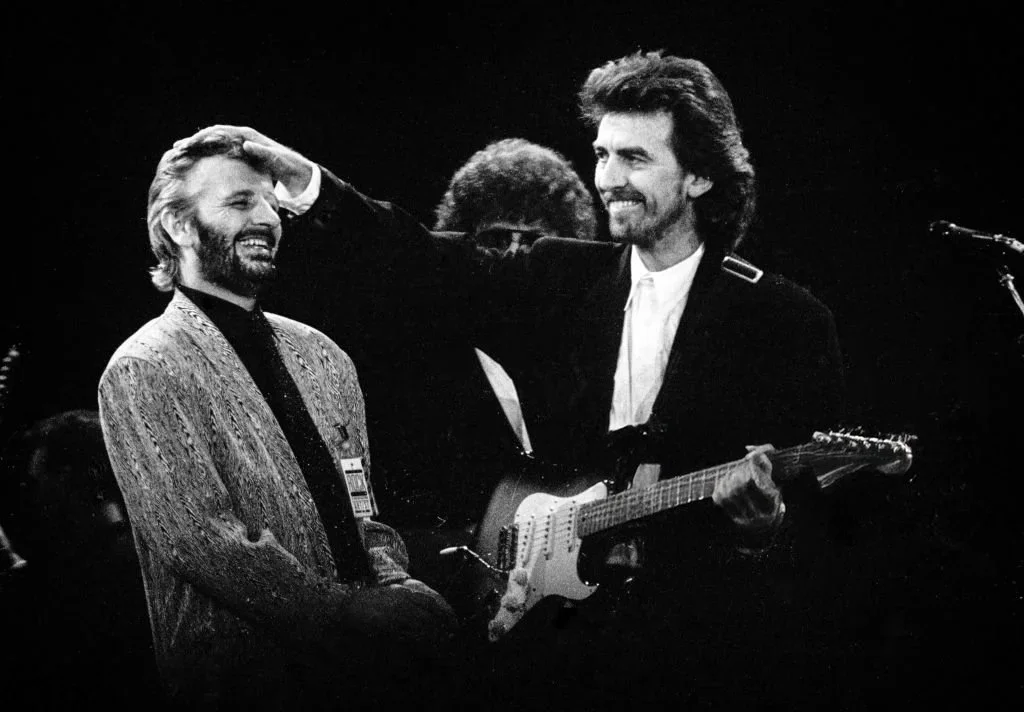
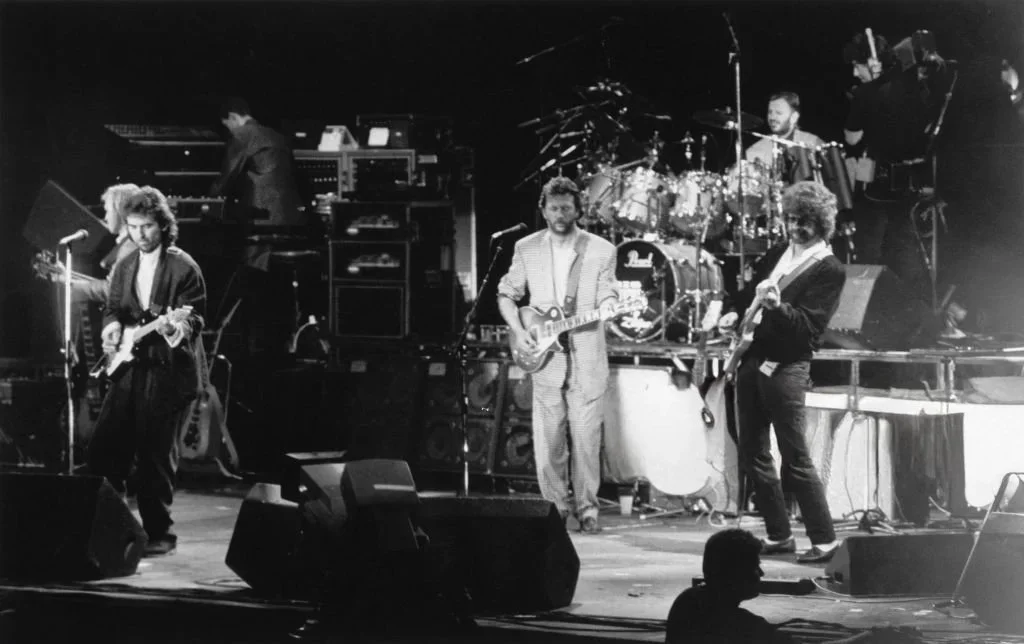
At this year’s concert, we get a 2-for-1 deal for Beatles performers, swapping out 1986’s Beatle, Paul McCartney, for George Harrison and Ringo Starr, (along with Jeff Lyne) who perform a brilliant While My Guitar Gently Weeps, Here Comes the Sun and a convivial finale, With A Little Help From My Friends with all performers. I love Elton’s heartfelt intro to them both.

Elton introducing George & Ringo

Like McCartney, Harrison had not been performing live at this stage of his career. Several factors had been keeping Harrison out of the limelight. The strained live performances that The Beatles had to contend with by being drowned out by screaming fans, the pressure of always having to deliver on some form of a Beatles reunion and the conflict of loving to play music with a band but not having to receive the constant ‘adulation’ from an audience. I also think people forget that someone as iconically famous as a Beatle, (or anyone in the limelight for that matter) might just want to live their life for a bit, take a breather from it all, and spend some time at home. Harrison’s son, Dhani, was born in 1978, and I’m sure a huge part of this ‘break’ for Harrison, was just to spend time at home with his family. He was asked about this on Michael Aspel’s talk show in 1988…

‘The Howard Hughes of Henley’

The full video of George Harrison and Ringo Starr is here on YouTube.

Two years before the Prince’s Trust gig, in 1985, he played at a special gig, Blue Suede Shoes: A Rockabilly Session, with Carl Perkins, which was shot in London at Limehouse Studios, with special guests Ringo Starr, Eric Clapton, Rosanne Cash, Phantom, Rocker & Slick, and Dave Edmunds. As Carl Perkins introduces Harrison in the video below, he alludes to Harrison’s rumoured retirement, “It ain’t true, he will come out and he’ll shake again”.

The whole Carl Perkins concert is fantastic, with exemplary musicianship from all and well worth a watch. It is especially interesting to observe the dynamic at play, with Carl taking the ‘Alpha’ position (it’s his show, after all), even commenting on how cute they look (Clapton, Starr, Harrison etc.) with their nice guitars, looking like kids ready for school. Carl even shouts at the end of the gig to the audience, “Did my class pass?!”. Incredible to think that at that point in 1985, those ‘kids’ had been performing at the top of their game for 20 years.

Every track of the concert is superbly executed, and the energy of the ‘younger’ players collaborating with Perkins is a joy to see (not unlike what happens in this run of Prince’s Trust concerts). Clearly, it was an emotive experience for all involved, playing with one of their heroes, and Perkins was literally brought to tears receiving the respect and adulation from the next generation of rock and blues players. You can hear Perkins’ voice crack when he thanks the band after playing the encore of ‘Blue Suede Shoes’.

I have never in my life enjoyed it, singing that song like I did, tonight, with these people, my friends, my rockabilly buddies, and you the greatest people in the world, god bless you and thank you
— Carl Perkins, 1985

Carl Perkins with his ‘class’

Harrison & Clapton in 1968

While My Guitar Gently Weeps was the first recorded collaboration between Harrison and Clapton, with Harrison famously drafting in Clapton to add musical and personal gravitas to help the studio dynamics with Lennon & McCartney’s initial indifference to Harrison's composition.

It was written by George Harrison, the band’s lead guitarist, as an exercise in randomness inspired by the Chinese I Ching. The song conveys his dismay at the world’s unrealised potential for universal love, which he refers to as “the love there that’s sleeping”.

The song also serves as a comment on the disharmony within the Beatles after their return from studying Transcendental Meditation in India in early 1968
— Wikipedia

Clapton was still in the supergroup Cream at this time, and firmly in his ‘God’ phase as a guitarist. This collaboration marked, not the first, but certainly the biggest ‘guest appearance’ of his career at the time, and an aspect of his career that would go on to flourish, being a frequent collaborator on other people’s music, whether live or in the studio. Clapton, perhaps more than any other musical artist, has performed with a wealth of bands and artists across the decades and genres. (Take a peek at this list here.) Phil Collins famously released an album titled Plays Well with Others, showcasing all his collaborations through the years, I think Clapton gives him a run for his money. (And of course, Collins & Clapton have played on each other’s studio sessions and live tours hundreds of times through the years).

On While My Guitar Gently Weeps, Clapton’s emotive playing, with his exemplary use of vibrato and string bends, combined with the Leslie/Flange tone, provided the perfect ‘voice’ to compliment and duet with Harrison’s mournful lyrics. A song that would mark the beginning of a friendship and musical partnership for the rest of their lives, they would often perform it live together, including at the Concert for Bangladesh in 1971, this Prince’s Trust concert in 1987, and George’s 1991 Japan tour, with Clapton and his band. When playing live, and they both duel guitar solos, it adds another layer to the song compared to the original recording, firstly the joy of hearing (and seeing) them perform in this way, but on a meta level having George’s voice ‘become’ the guitar and interplay with Clapton’s takes the song to another level from a narrative point of view.

When George Harrison passed away in 2001, Clapton played two notable performances, first at the Queen’s Golden Jubilee at the Party at the Palace, alongside Paul McCartney (and some familiar friends) and then for the incredible Concert for George, where I would argue Clapton performs his best interpretation of the song, clearly a highly emotive performance, but for the stoic Clapton, there’s only one way you’re going to see emotion, and that’s through his playing.

I know the Prince version gets the majority of the plaudits, and whilst it is another showcase of Prince’s unparalleled musical talents, Clapton’s solos on the Concert for George pack an emotive punch that even Prince’s gymnastics can’t match.

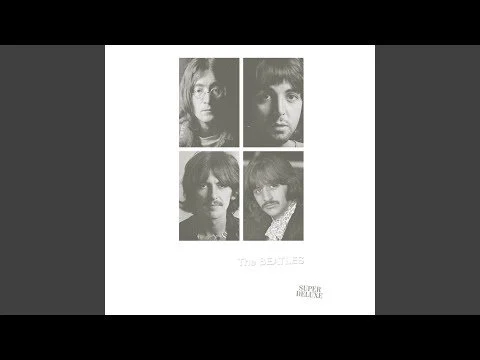
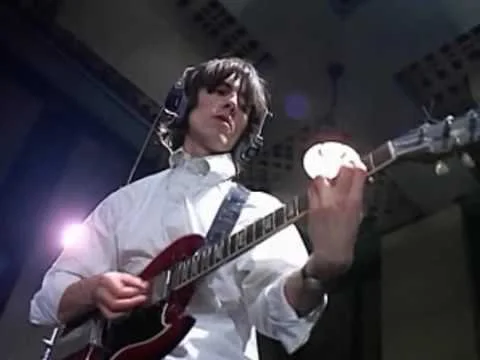
Below are three videos, the first with the original Beatles song, the second with Clapton’s isolated guitar and the Concert for George performance. Enjoy.
Mark King, George Harrison, Mike Lindup, Eric Clapton, Ringo Starr & Jeff Lynne

The pressure of reforming the Beatles, or playing Beatles songs, must have been stifling for Harrison, and even in the run-up to the Prince’s Trust gig in 1987, Harrison felt that an attempt was being made at a reunion when he found out that Ringo had been invited to play too without his knowledge:

George didn’t know Starr was also called to perform. He found out when Ringo called him. According to Rolling Stone, George and Ringo had been contacted without the other knowing about it.

“Ringo phoned me up,” George said, “saying, ‘Somebody’s asked me if I’m doing this Prince’s Trust, and of course, I can’t really do it without playing on it with you.’ I said, ‘Ooo, I don’t know about that.’ I mean, Ringo will always be my friend, but that made me nervous.

“I felt straightaway, somebody’s trying to set this up again.” This being a Beatles reunion. “You know, it’s one thing going on as me. But if I’m going on as the Beatles, I want to be able to have some sort of control over it.
— https://www.cheatsheet.com/entertainment/george-harrison-said-waiting-perform-princes-trust-concert-waiting-electric-chair.html

Harrison also admitted to feeling scared going up to perform again, “It felt like I was going to the electric chair,” George said. “Sat there for hours waiting to go on. Very very nervous.” Fortunately, George was around friends. “There was a lot of support from the gang,” he added.

On June 5, 1987, three of the five original musicians who appeared on the classic Beatles ‘White Album’ track ‘While My Guitar Gently Weeps’ reunited to perform the song live at the Prince’s Trust Rock Gala in London’s Wembley Arena.

Harrison, Starr, and Clapton last performed the song live 16 years earlier at the Concert for Bangladesh in New York City. What most interesting about this performance is the fact that A., the normally Strat-happy Clapton is playing a beautiful Gibson Les Paul, just as he did on the original 1968 recording, and B., the also-Strat-happy Harrison joins Clapton in the extended guitar solo at the end of the song. The two guitarists trade solos and feed off each other’s energy, and their intertwining lines are often pretty damn cool.
— Damian Fanelli Editor-in-Chief, Guitar World

While My Guitar Gently Weeps - George Harrison, Ringo Starr & Eric Clapton with the All Star Band
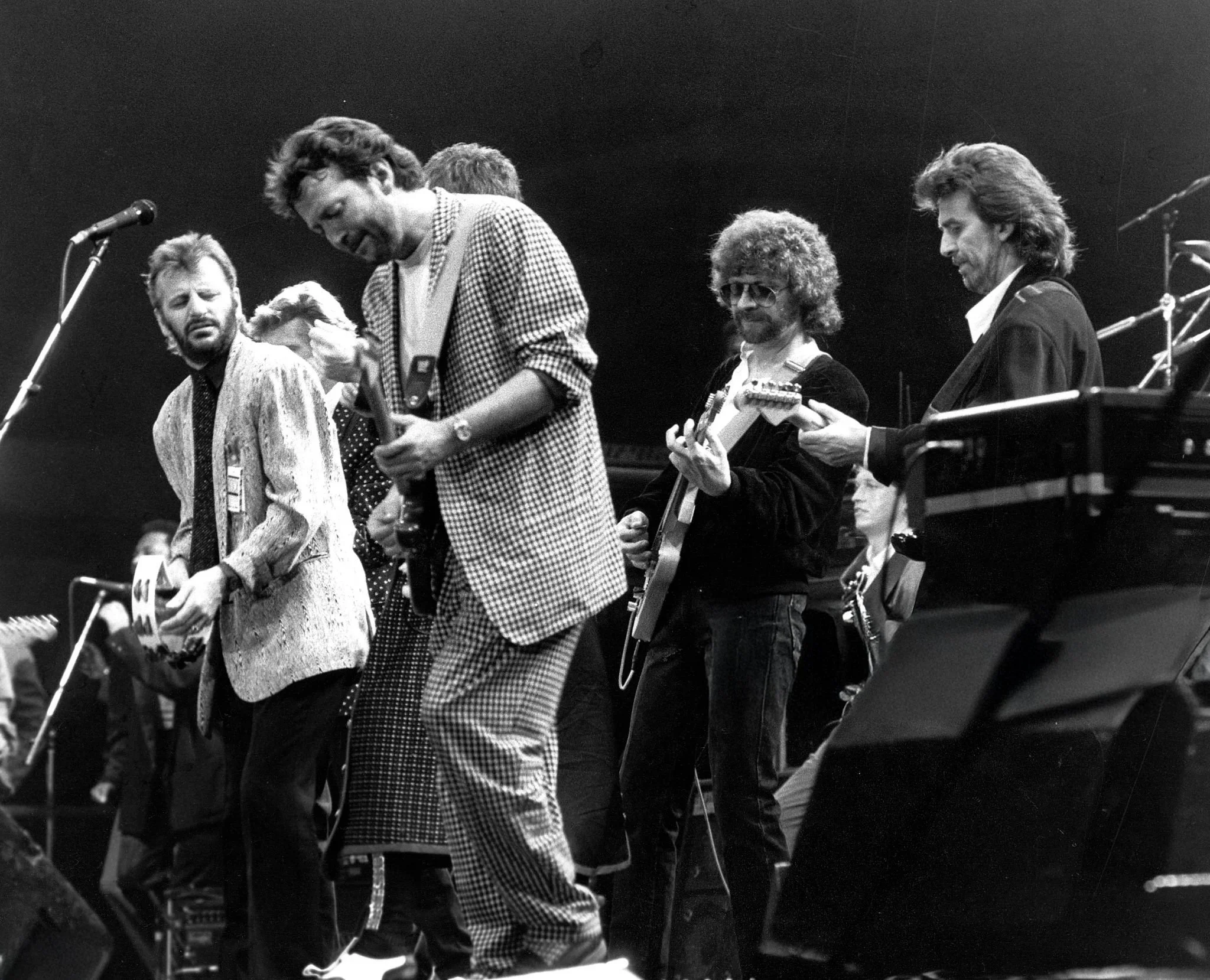
Ringo Starr, Eric Clapton, Jeff Lynne and George Harrison playing out 1987’s Prince’s Trust Concert

After the 1986 concert, Midge Ure mentions in his biography how everyone went to a party at AIR studios, with Prince Charles and Princess Diana, and she told Ure she’d asked the Trust ‘if we could have the party back at our place’ – and they’d said no. Plans were different after the 1987 concert…

That sounds like a great idea,’ I said. ‘You should do that next year.’ I never expected anything to come of it. The next year everyone who’d ever performed at a Prince’s Trust concert was invited to ‘our place’ – Kensington Palace. The atmosphere was very stiff to begin with until, to loosen things up a bit, HRH asked Jools Holland to play the piano. Jools launched into his regular boogie-woogie make-it-up-as-you-go-along routine. Soon the lights had dimmed, champagne flowed, faces glowed and everyone had a ball – especially Diana.
— Midge Ure: If I Was - An Autobiography (p. 257)

Before that, everyone descends to the stage for the finale, and Ringo running down from the drums to perform With a Little Help from My Friends was a perfect way to end the concert, alongside all the performers.
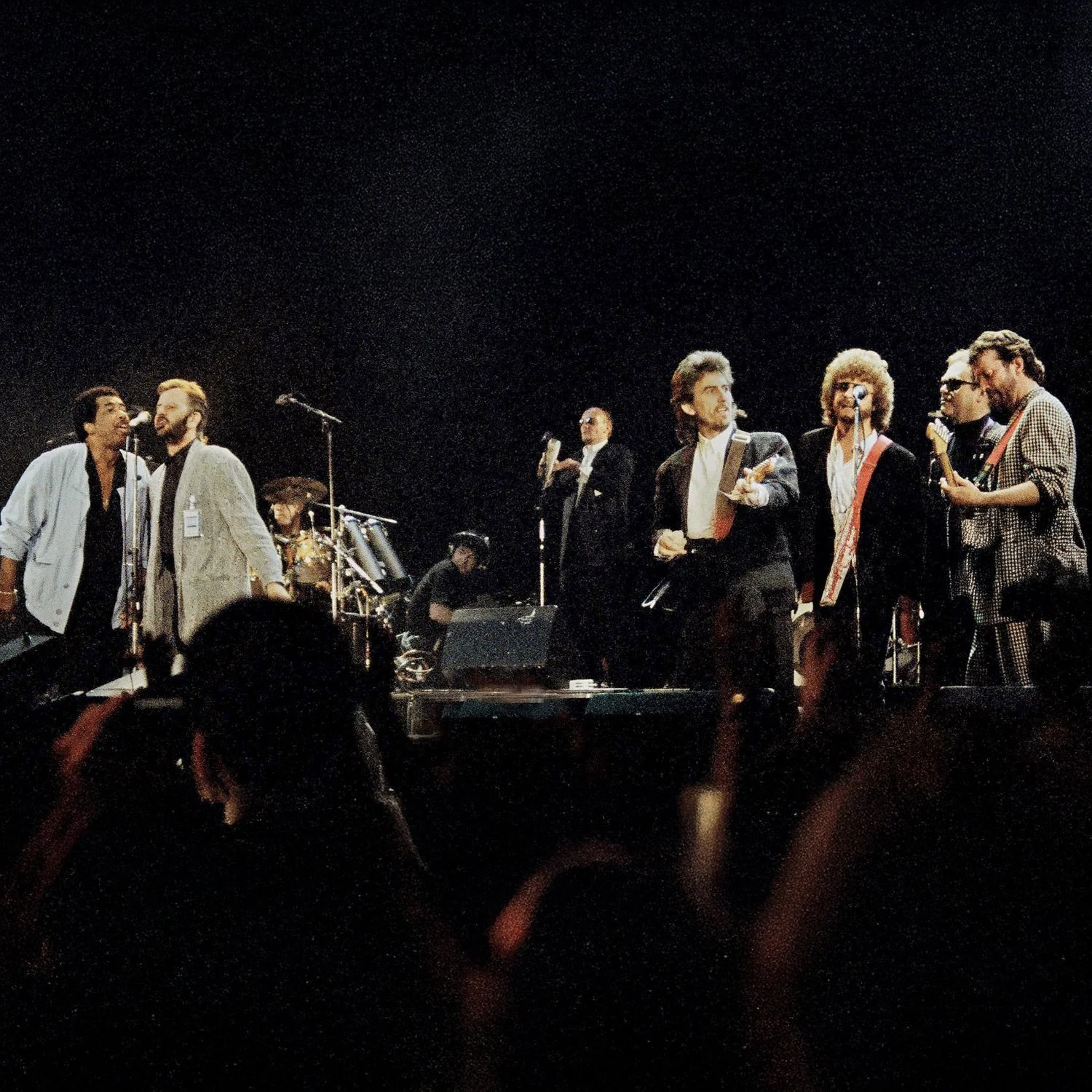
With a Little Help from My Friends - Encore from The Prince's Trust 1987 Concert

Performers

The Era of the Super House Band - Part I - 1986

“There is no top of the bill”

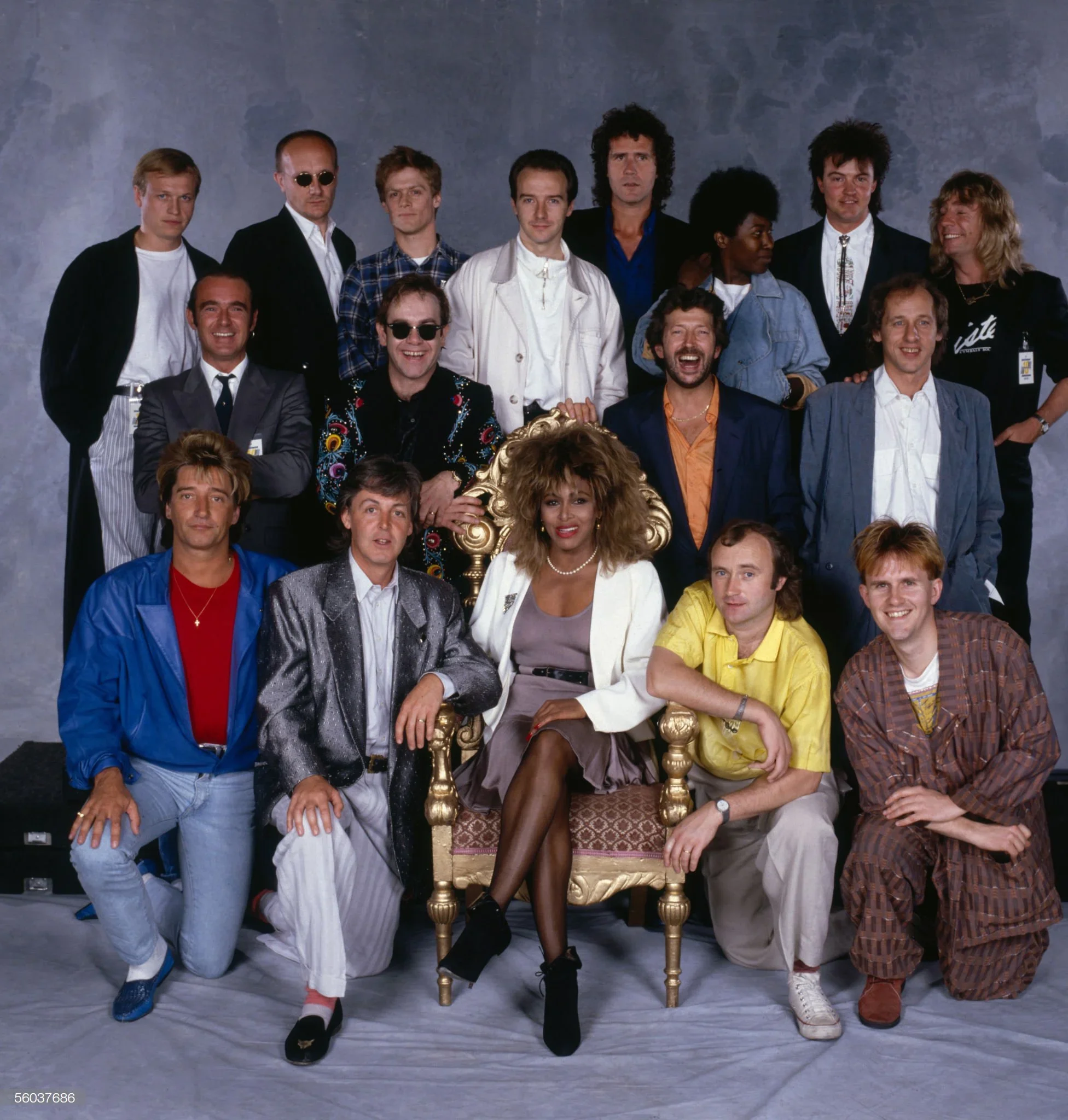
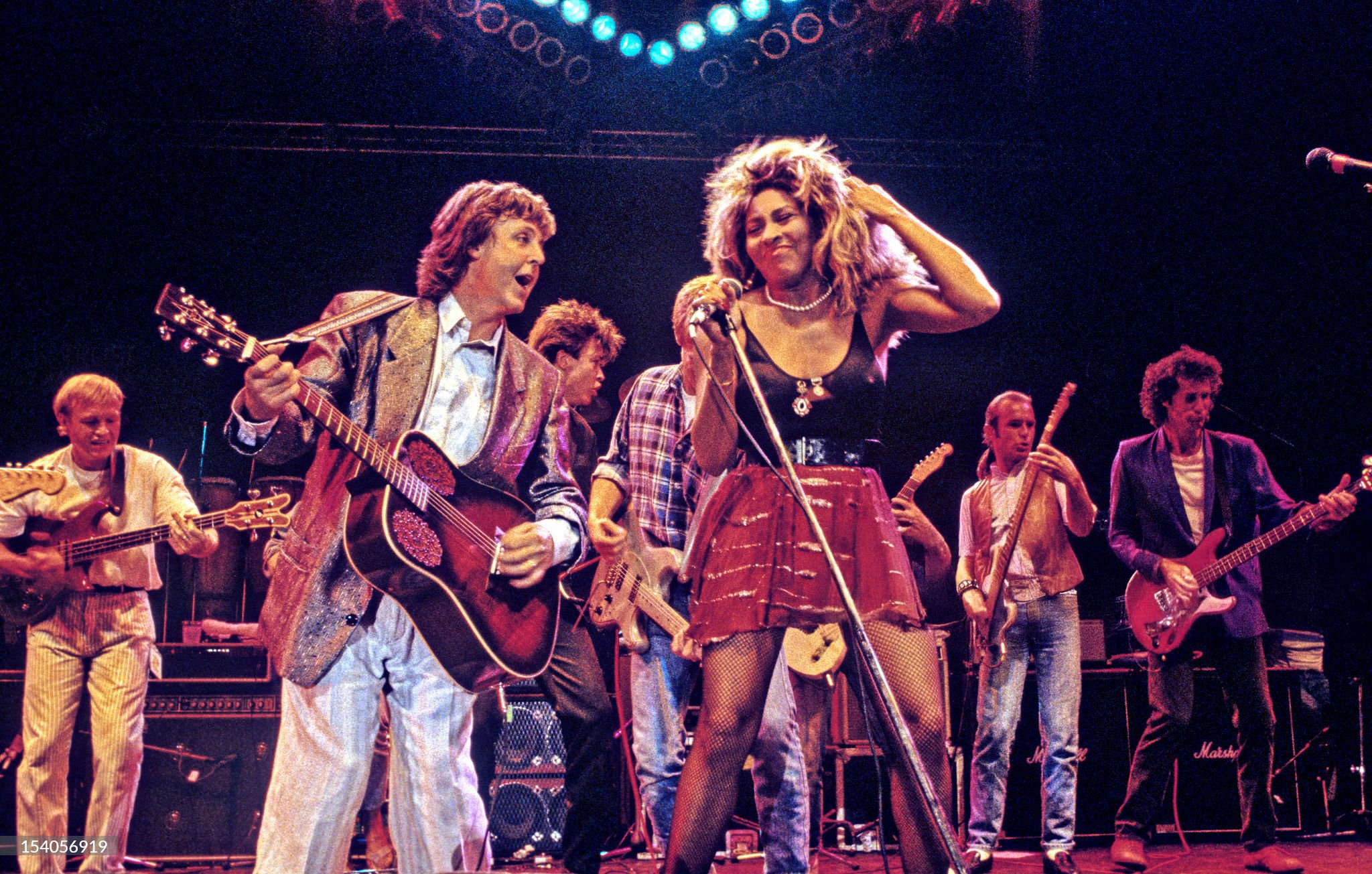
The lineup for the 1986 Prince’s Trust Rock Gala / Photo by Terry O’Neill

During the 1980s and early 2000s, a distinct group of musical talent would provide the backbone for nearly every national celebration, variety show or benefit concert in the UK.

This usually comprised an eclectic mix of session musicians like Ray Cooper, Pino Palladino, Nathan East and Phil Palmer alongside Rock royalty Eric Clapton, Phil Collins, Mark Knopfler, Elton John and usually a Beatle or two.

In 1983, for the Ronnie Lane appeal for MS, the ARMS concert, a similar approach was taken in forming a supergroup of British rock talent, a concert we will explore in detail in a later post. It certainly shares some DNA with the Prince’s Trust concerts, in terms of every band member being from a major group themselves and forming a house band for different songs from each artist. Only Eric Clapton and Ray Cooper are present in both.

The three Prince’s Trust concerts (or Galas as they were positioned), in 1986, 1987 and 1988, there was a broader scope musically, with new artists playing a range of genres including pop music, alongside the established ‘Super House Band’ of mostly rock performers.

When it came to managing all the different performers for the Prince’s Trust concert, organisers turned to Midge Ure, fresh off the titanic success of Live Aid, in 1985.

In 1986 the Prince’s Trust was celebrating its tenth anniversary with a star-studded concert at Wembley Arena. Chris Poole approached me to become musical director, but first he told me the band lineup: Elton John on piano, Clapton and Mark Knopfler on guitars, and Phil Collins on drums. Rod Stewart, Tina Turner, George Michael and Paul McCartney were confirmed to sing.

‘No way,’ I said. ‘This is obviously the job that everybody’s turned down.’ It didn’t take long to talk me into it. It might be a daunting prospect to be in charge of a band with all those luminaries in it, but how could I refuse? My job was to break the songs down, figure out how they all fitted together and oversee cups of tea, or something stronger, every ten minutes.
— Midge Ure: If I Was - An Enhanced Updated Autobiography (p. 252). Acorn Digital Press Ltd.

One of the many unique aspects of this House Band approach (versus a collection of different bands who keep themselves to themselves) was that you would get a wonderful melting pot of artists, old and new, from a variety of backgrounds and different schools of music, like rock/pop/blues/jazz, all playing together.

And when the House Band includes virtuoso performers, they’d bring a fresh approach to the most established pop songs. Eric Clapton firing off epic fills for Spandau Ballet’s Through the Barricades or George Michael seemingly stumbling into Wembley to duet with Paul Young on Every Time You Go Away (because “It’s the only one we both know”) are just two examples where songs you know and love are elevated due to this collaborative environment, or at the very least provide a unique curiosity from the time.

Comparison of Spandau Ballet's 'Through the Barricades', firstly with the original studio version then the Prince's Trust version with Eric Clapton in support.

What sets these concerts apart from others?

No other Prince’s Trust concerts (or even other charity concerts, aside from Live Aid) have had such an output of cassettes/CDs/VHSs/DVDs as these three gigs have had over the years. The 1986 concert also has the rare honour of receiving a Grammy Award for Best Performance Music Video, which it received in 1988. There’s something uniquely special about this trilogy of gigs.

The above CD was something I bought in my early teens, and soon after, I got hold of these DVDs, which now go for £70+ on eBay. Some of the gigs, or parts of the gigs, are on YouTube & Daily Motion. None are exhaustive, with the odd performance from the actual gigs not present on CDs or DVDs. One of these rare-to-find performances is Mick Jagger and David Bowie’s Dancing in the Street, which was clearly only rehearsed sparingly before, so whilst it’s not the best rendition, it is still impressive to see this rare combination of talent all on stage together holding it together, and you truly see Jagger’s charisma drive the song forward. (And it’s certainly no ‘Led Zeppelin at Live Aid’ level of disaster).

(There’s a great website, Albums That Should Exist, that has the full setlist as MP3’s)

Some other key reasons I believe they have been elevated beyond a passing interest:

  • A Rock Concert created to raise public awareness and funds for a charity (a focal point to bring everyone together).

  • The charity is not as overt as many other charitable events, the Prince’s Trust supports several causes but none as visceral as a famine in Ethiopia, a refugee crisis in East Pakistan or global human rights. So naturally, the event has more of a relaxed ‘variety show’ feel, rather than having overtones of a serious cause. (Also no Bob Geldof commanding you to pick up the fucking phone and donate your money every five minutes).

  • Having Prince Charles and Princess Diana as guests at the event, brings an additional level of Royal glitz to the proceedings, as many of these occasions rely solely on the performers for the glamour, in addition to all the backstage pre-concert meet & greets.

  • Rock royalty as a house band, some of who, at that point in 1986, had over two decades of hit songs/albums/world tours/cultural impact in their careers and had all formed relationships with each other in that time. They’re relaxed. This isn’t their first rodeo.

  • World-class musicianship throughout the concerts (with the odd outlier)

  • Notable special moments, creating unique versions of songs and rare collaborations.

  • Special guests from outside the UK, like Tina Turner, Leonard Cohen, Bryan Adams, Ben E. King and Suzanne Vega, broadening the scope.

  • Inclusion of current pop/rock acts to balance old with new, including the house band playing with some of those artists.

  • Renowned session musicians filling in the gaps where needed.

  • Everyone having a laugh throughout and playing their hearts out.

  • Having Midge Ure as a musical director, who off the back of Live Aid and being a successful artist himself, adds a level of musical gravitas behind the scenes and not just a show run by a TV company or the charity itself.

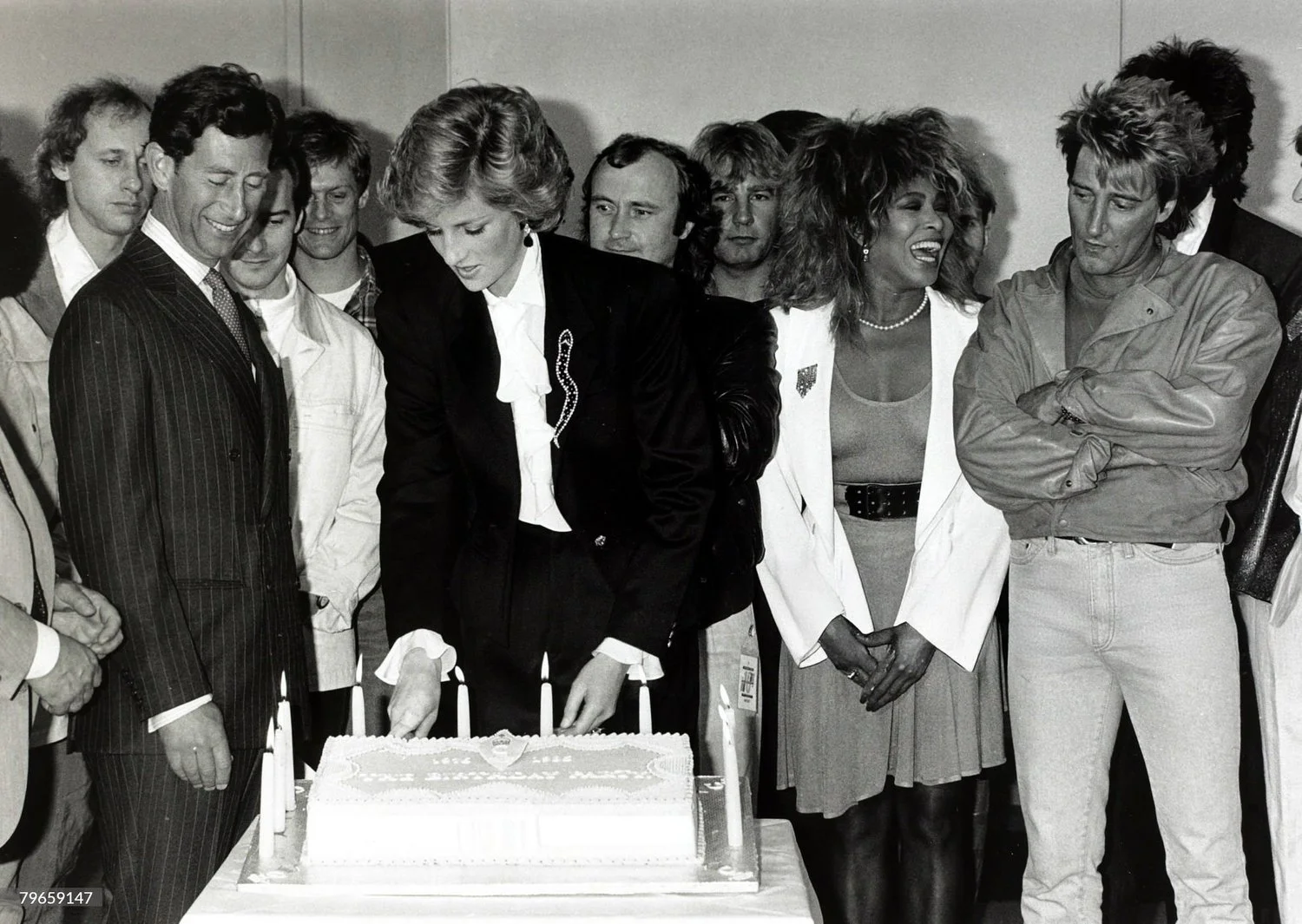
The Prince and Princess of Wales, with some of the artists, cut a cake to celebrate the 10th anniversary of the Prince's Trust - 1986

Salt of the Earth

My main rule was: don’t bring your own trash – leave your management behind because that just screws things up. I’d said all that to them all, but secretly I was just waiting for the Ego to land.

It did in the shape of Rod Stewart. We were rehearsing at the Wimbledon Theatre when the doors flew open and a couple of heavies in suits and sunglasses came in first, casing the theatre for God knows what – popcorn assassins, maybe. In strutted Rod, all attitude, he came up to me and demanded, ‘Is my song ready?’ He ran through ‘Sailing’ a couple of times and stormed straight out again without even a thank you. It was totally unnecessary, especially in front of Clapton and Elton, mates he’d known for twenty years. I know him and Elton have got this camp game, calling each other Elsie and Doris or whatever, maybe it was that, and he was doing it to wind up Elton, but I just thought, What a prat, he’s been in America too long. Tina Turner had been sitting in the audience, watching what was going on for five hours. She didn’t say a dickie bird, just sat there waiting on her turn, the total professional. Was Rod’s entrance a wind-up? I don’t know.
— Midge Ure: If I Was - An Enhanced Updated Autobiography (pp. 252-253). Acorn Digital Press Ltd.

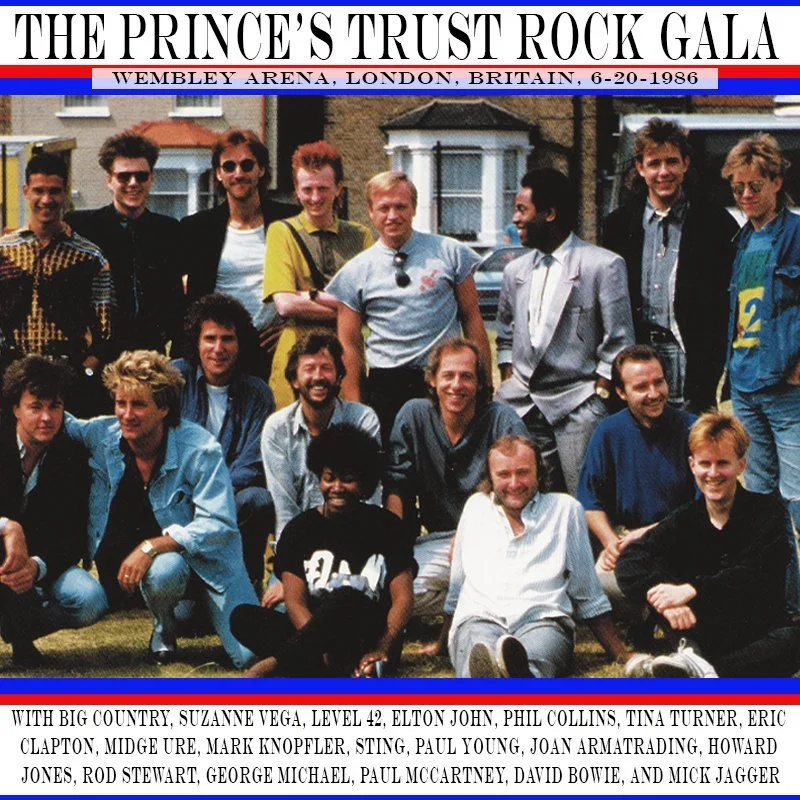
Midge Ure sums up his job in a truly down-to-earth way, and this approach is seemingly reflected throughout the whole event, including all the people involved (aside from the Rod Stewart ‘incident’). You’d be hard-pressed to find someone arranging the equivalent in this way now and with artists acting this way. Even the group photo looks like a load of mates gathered together after a kickabout in the park.

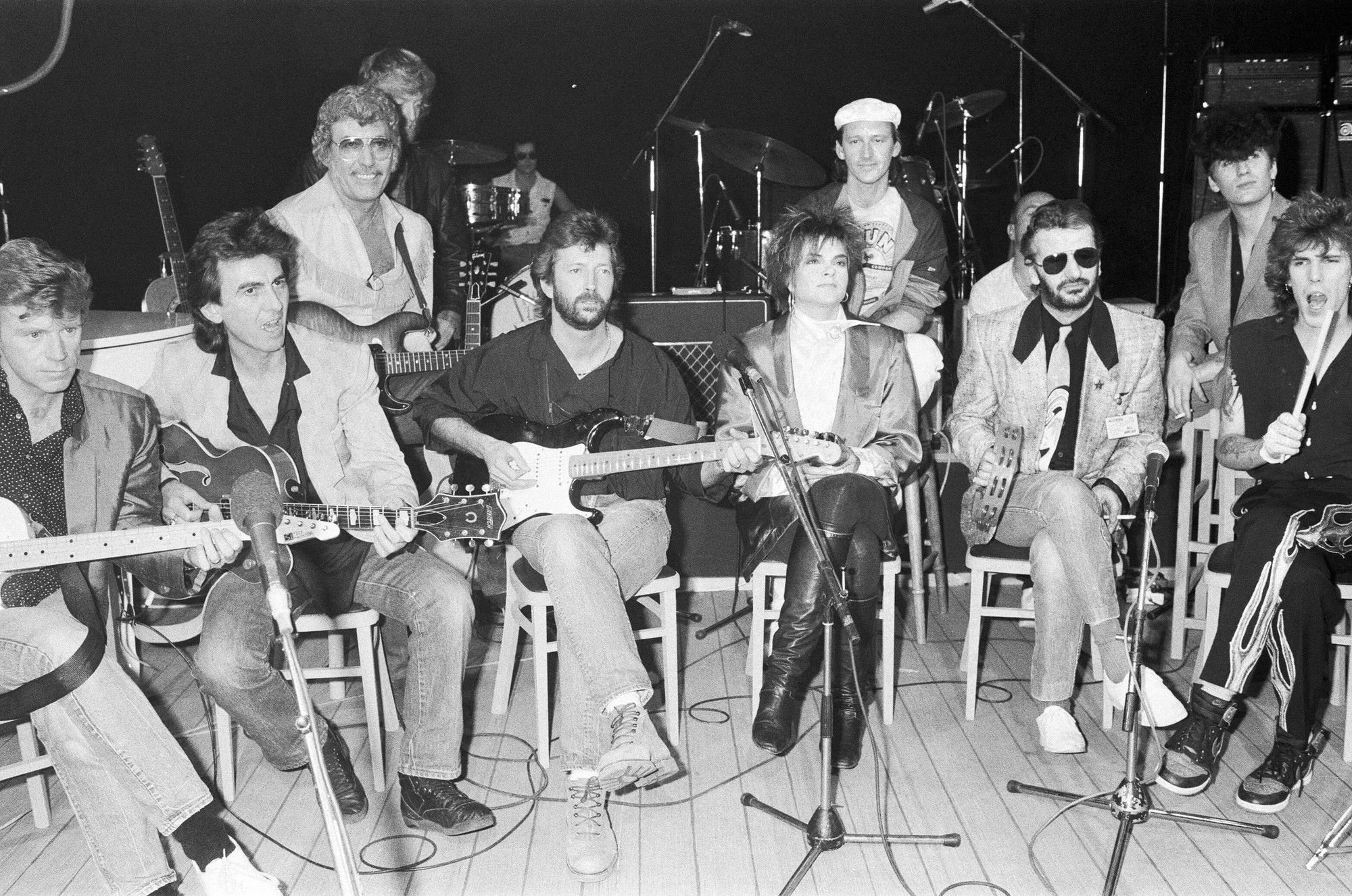
‘School Photo’ of the majority of the performers, for the Prince’s Trust 1986 Concert, after a rehearsal at the Wimbledon Theatre. Image via https://albumsthatshouldexist.blogspot.com/2024/02/various-artists-princes-trust-rock-gala.html

Moments like that don’t often happen. I’ve been lucky. Other than Rod the Sod I’ve not been on the receiving end of any rockstar tantrums. Everyone says, ‘Don’t meet your heroes.’ Well, I’ve met most of mine, and I’ve not been disillusioned. They’ve all been good guys, and I haven’t seen the bad side at all. Be it Bowie, Eric, Townshend, Phil Collins, whoever, they’ve all been good, salt-of-the-earth people. Probably it’s because most of them are from serious working-class backgrounds.
— Midge Ure: If I Was - An Enhanced Updated Autobiography (p. 259). Acorn Digital Press Ltd.

1986

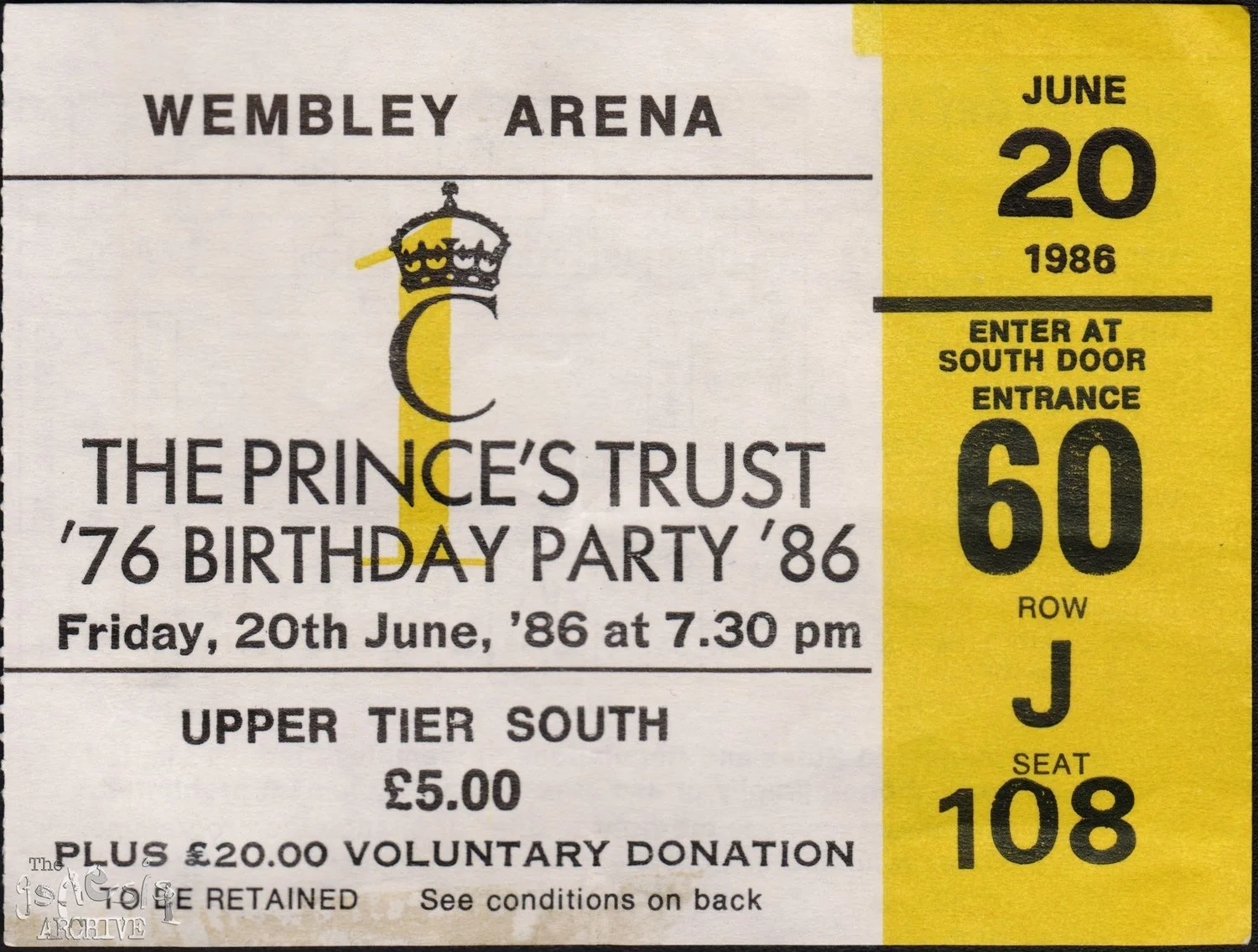
10th Birthday Concert - Wembley Arena - 20th June 1986

House Band

Eric Clapton – guitar / vocals

Mark Knopfler – guitar / vocals

Midge Ure – guitar / vocals

Elton John – piano / vocals

Howard Jones – keyboards / vocals

Mark King – bass

John Illsley – bass

Phil Collins – drums / vocals

Ray Cooper – percussion

Support

Vicki Brown – backing vocals

Samantha Brown – backing vocals

Jimmy Chambers – backing vocals

George Chandler – backing vocals

Jimmy Helms – backing vocals

To celebrate the 10th birthday of The Prince’s Trust, they decided to celebrate with a Rock Gala at Wembley Arena, with Prince Charles & Princess Diana in attendance. I’m sure inspired by the previous year’s Live Aid, alongside the popularity of some of the UK’s best homegrown Rock royalty, it was the perfect way to connect with the public in a relevant way.

As mentioned above, bringing in Midge Ure to lead the house band was an inspired decision. A very happy and free-spirited concert, which undoubtedly comes from having a fellow musician at the helm. The first artists representing new talent, Big Country, Suzanne Vega and Level 42, get a chance to play several songs before switching to Elton John and Phil Collins, performing solo on their own songs, Your Song and In The Air Tonight, respectively. Then the house band joins them: Eric Clapton, Mark Knopfler, Midge Ure, John Illsley, Ray Cooper and Howard Jones, to open up with Tina Turner’s Better Be Good To Me.

Better Be Good To Me - Tina Turner

Watching this performance, you’re immediately struck by the relatively humble presentation; there’s no U2 level light show and certainly no massive screen with animated visuals or a camera feed - which is a staple of most concerts now. Again, this reflects the down-to-earth approach to the concert. It’s about the musicians and the music. That’s it. No need to dress it up to give the feeling of a performance to the crowd, there actually is one.

From the opening bars, the band feel locked in, and you can hear Clapton’s new Ferrari red Signature Fender Stratocaster tone all over it like a rash, whether during rhythm, fills or solos. Sonically, this sets the tone for the rest of the gig. Aside from the Jagger/Bowie performance, it feels like the band has been playing together for much longer, with a driving rhythm engine propelling it forward.

The camera work is also a sign of the time, with roving cameras on stage, up close to the performers. I love seeing the camera guys scramble around, getting different shots of the performers like panicked roadies. It all adds to the energy and gives a very intimate feel for the home viewer, compared to the natural distance you’d have at Wembley Arena if you were there. You catch all the artist’s interactions, little smiles at each other and what’s going on in the background, making it fun for the viewer and contributing to why these gigs have connected more with audiences than other concerts. (One cameraman near Phil Collins seems to love to spin his camera about, too).

“It’s so nice to have Elton in my backing band, at last!”
Rod Stewart on stage before performing ‘
Sailing’ at the 1986 Prince’s Trust Rock Gala in 1986

Full Set List

01. Wonderland - Big Country
02. Fields Of Fire - Big Country
03. Look Away - Big Country
04. Chance - Big Country
05. In a Big Country – Big Country
06. Tom's Diner - Suzanne Vega
07. Cracking - Suzanne Vega
08. Small Blue Thing - Suzanne Vega
09. Marlene On The Wall – Suzanne Vega
10. Lesson In Love - Level 42
11. Leaving Me Now - Level 42
12. Something About You - Level 42
13. Hot Water – Level 42
14. Your Song – Elton John
15. In The Air Tonight – Phil Collins
16. Better Be Good To Me – Tina Turner
17. Tearing Us Apart – Eric Clapton and Tina Turner
18. Call Of The Wild – Midge Ure
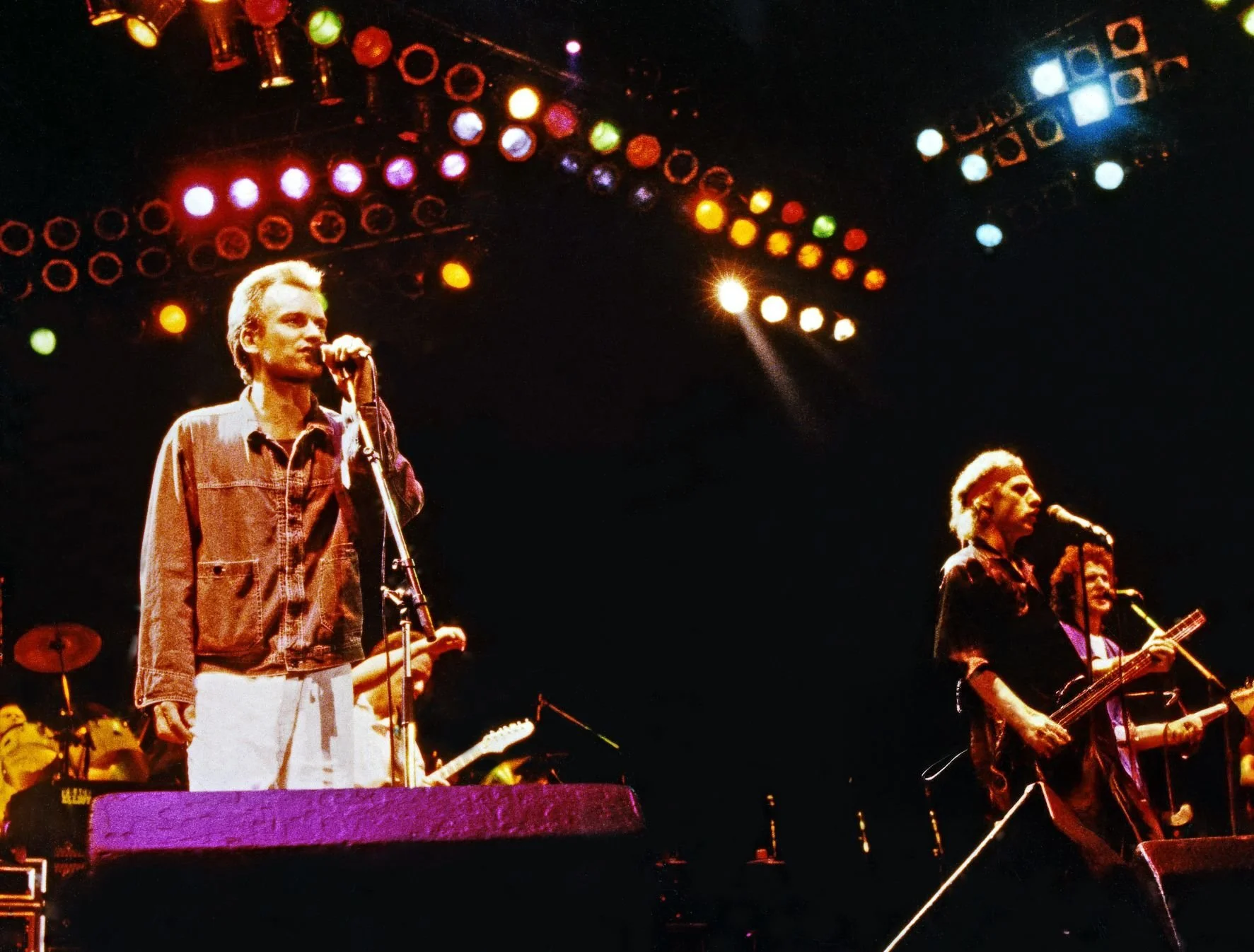
19. Money For Nothing – Mark Knopfler, Sting
20. Everytime You Go Away – Paul Young
21. Reach Out – Joan Armatrading
22. No One Is To Blame – Howard Jones
23. Sailing – Rod Stewart
24. I’m Still Standing – Elton John
25. Every Time You Go Away – Paul Young and George Michael
26. I Saw Her Standing There – Paul McCartney
27. Long Tall Sally – Paul McCartney
28. David Bowie & Mick Jagger – Dancing In The Street
29. Get Back – Paul McCartney, Paul Young, Tina Turner And The All-Stars

I love the Level 42 section, floods of nostalgia hearing those tracks, but the musicianship of Mark King is incredible, a slap bass to rule them all, and quite rightly he gets his moment in the sun when he’s subbed on for Dire Straits’ John Illsley after Paul Young’s Every Time You Go Away, to play with the house band for the rest of the gig.

Hot Water - Level 42 - The Prince's Trust 1986

I assume Tina Turner was at this gig due to her recording with Eric Clapton that year on one of his most commercial albums August, on the song, Tearing Us Apart, (which went on to be a concert favourite of Clapton’s for decades). She brings such a joyous energy to the party and changes up the dynamic from a very male group on stage. It’s a very rare live performance of this song with the two of them together. Clapton performed it with Turner on her 1987 tour when she was in London, and there was a cancelled music video in 1986 to accompany the single release (where Turner was unavailable, and an attempt at rescuing the shoot with a lookalike failed), so it’s a standout for Clapton fans to see them perform together.

Tearing Us Apart - Eric Clapton & Tina Turner - Prince's Trust Rock Gala 1986

If you like the song, you should look up any 1992 live gig on YouTube from Clapton where it was an established part of his set at that point and at times, he’ll wander around the stage mid-solo, which is very unlike the usually static Clapton. There is an incredible version below in Hartford ‘92 with a standout moment at 6mins where the band picks up the pace mid EC solo. Headshakes.

The introduction to one of the biggest songs of the 1980s could well take the title for the most understated intro ever. Midge Ure introduces Mark Knopfler and John Illsley to perform, “We’re going to slow things down a wee bit just now, with a very intimate little number”. Whilst setting up the mic, Knopfler says, ‘Nice and gently now, lads’ whilst the mic falls back into his face. When the infamous riff to Money for Nothing starts, Sting walks onto the stage without fanfare or intro. If this was in America, there would’ve been fireworks and pyros! Again, it shows how thoroughly down-to-earth the whole thing was, even painfully so at times. They, of course, perform a great rendition of the song. However, I always feel it’s a shame that if you have Sting there, you should include the extended intro. Just imagine Phil Collins’ drums when the intro builds to its crescendo! It was probably cut down for time reasons, and whilst the concert benefited hugely from its overall lack of over-the-top pomp, one exception here would’ve been amazing.

Just picturing a blacked-out stage, Sting doing his best Enya, Howard Jones on the synths, and Phil going ballistic, just as a single spotlight engulfs the stage, hitting Knopfler in time for the iconic guitar riff.

Money for Nothing - Mark Knopfler & Sting

Some of the same performers have performed it live together on several other occasions. Once more for the Prince’s Trust in 1988, (which we shall get to in another blog post). And famously, in 1997, when Sir George Martin arranged a concert, ‘Music for Montserrat,’ to raise funds for short-term relief to inhabitants after volcanic eruptions left people no choice but to flee the island. Martin’s AIR Studio was situated in Montserrat and served many artists, including Dire Straits, the Police, Rush, Elton John, Michael Jackson, and the Rolling Stones.

Some familiar faces show up to support the cause, many from the ‘Super House Band’ in 1986; Eric Clapton, Mark Knopfler, Midge Ure, Phil Collins, Sting, Elton John, Ray Cooper and Paul McCartney.

I love Knopfler’s intro for Sting (he finally gets his intro), as he tells the audience how Sting came to perform on the song and Clapton, “…and wouldn’t it be good if…yeah let’s have Eric on as well….Because we can!” (They still don’t do the bloody intro, but this is a great version too).

Eric Clapton Guest Solo Section 🎸

Paul Young performed one of his biggest hits, Every Time You Go Away twice on the night, once solo with the band and then again when George Michael appeared backstage, and they hurriedly worked out what song everyone knew.
When introducing George, I love how thoroughly down-to-earth the artists are. Paul’s “Sorry, the bus was late!” and his swooning “It’s great to be here” as the song begins always brings a smile.

As many will know, the original song was written by Daryl Hall in 1980 for the Hall & Oates album Voices, with the Paul Young version produced five years later.

English singer Paul Young recorded a cover version of the song titled “Every Time You Go Away” for his studio album The Secret of Association in 1985. His cover features a combination of echoed piano, the Yamaha DX7’s “harp” preset, the distinctive fretless bass of Pino Palladino, as well as a Coral electric sitar and a Ovation Spanish acoustic guitar, which were both played by John Turnbull.
— Wikipedia

Every Time You Go Away - Paul Young & George Michael

The Paul Young version of the song was requested to be featured for the end sequence in the iconic John Hughes 1987 film Planes, Trains and Automobiles, in a stunning bit of lateral thinking from the suits, the record label denied the request. John Hughes had to use a soundalike, which, whilst it still lands the emotional impact Hughes wanted for this ending, you can’t help but yearn for the quintessential version from Young.

Planes, Trains & Automobiles - Ending (1987)

In 2019 Ryan Reynolds posted on Twitter, a tribute to John Candy and added the Paul Young version of the track over the supercut. Paul Young even thanked Reynolds on the thread, voicing his frustrations about that bizarre decision. Link here on Twitter/X

After this, Paul McCartney comes on stage to close the concert, with nearly everyone who had performed on stage before plus guest stars Rick Parfitt and Francis Rossi from Status Quo. Only a year before, McCartney performed at Live Aid, which was his first live performance in six years (and since John Lennon was murdered). Whilst Geldof mentioned he was very nervous in the run-up to the Live Aid performance, there seem to be no nerves on display here with two barnstorming performances of I Saw Her Standing There and Long Tall Sally.

The drive up to Wembley from their house in Rye, I think, he was listening to the show and he got more and more scared on the day.

He comes out on stage and sings ‘When I find myself in trouble’, bang the mic goes down.

He doesn’t quite realise at first, I am at the side of the stage with Bowie, Alison Moyet, Pete Townshend, as you are, and suddenly the crowd start singing it.

If you listen to the actual real soundtrack of Live Aid, the crowd sing it for Paul.

Despite the microphone blip, Paul felt the whole experience was a positive one, and one that encouraged him to dip his toe back into live performance: since 1989, he’s virtually been on tour ever since.
— Bob Geldof on McCartney via https://www.goldradio.com/artists/paul-mccartney/live-aid-performance-disaster/

After a short break for Bowie and Jagger’s performance, we’re back to Macca, and just as Get Back gets going, we see Tina Turner enter the fray in an almost Scorsese-esque cinematic intro. Turner had been performing Get Back as a regular in her live sets for years at this point, so this was a brilliant opportunity to share the stage with McCartney and duet on one of her favourite songs with him.

What follows is a high-energy performance from McCartney, Paul Young and Tina Turner and the full band to close out the concert. Great hearing the different lead vocals from the three of them, and I love the moment around the 1min 40 mark where Tina tells Bryan Adams ‘I got it’ so she can sing solo into that mic.

Get Back - Paul McCartney, Paul Young & Tina Turner

The 1986 Prince’s Trust Rock Gala found a new way to focus a mainstream, self-contained charity concert. Blending old and new artists alongside a ‘Rock Royalty All Star Band’, there was something for everyone, and for the Royal Family, who are always striving to stay relevant, it served its purpose well. So much so that they followed the same playbook two more times in 1987 and 1988.

Our next two posts will explore the 1987 and 1988 gigs, and then we will look into the cultural factors that led these concerts to even be possible, why they went away, and why something like this will likely never happen again.

(Above) YouTube video of the ‘full show’ from 1986, which doesn’t match the full set list, but matches the DVD release.

(Below) Rare footage of the full brand rehearsing with Paul McCartney at Wembley Arena.

Performers
Selected Links

Midge Ure: If I Was - An Enhanced Updated Autobiography

Albums That Should Exist - 1986 Prince’s Trust (links to all the music too!)

Eric Clapton Tour Archive - 1986

The Prince’s/King’s Trust has a great music page on YouTube with performances from the 1980s to present day.

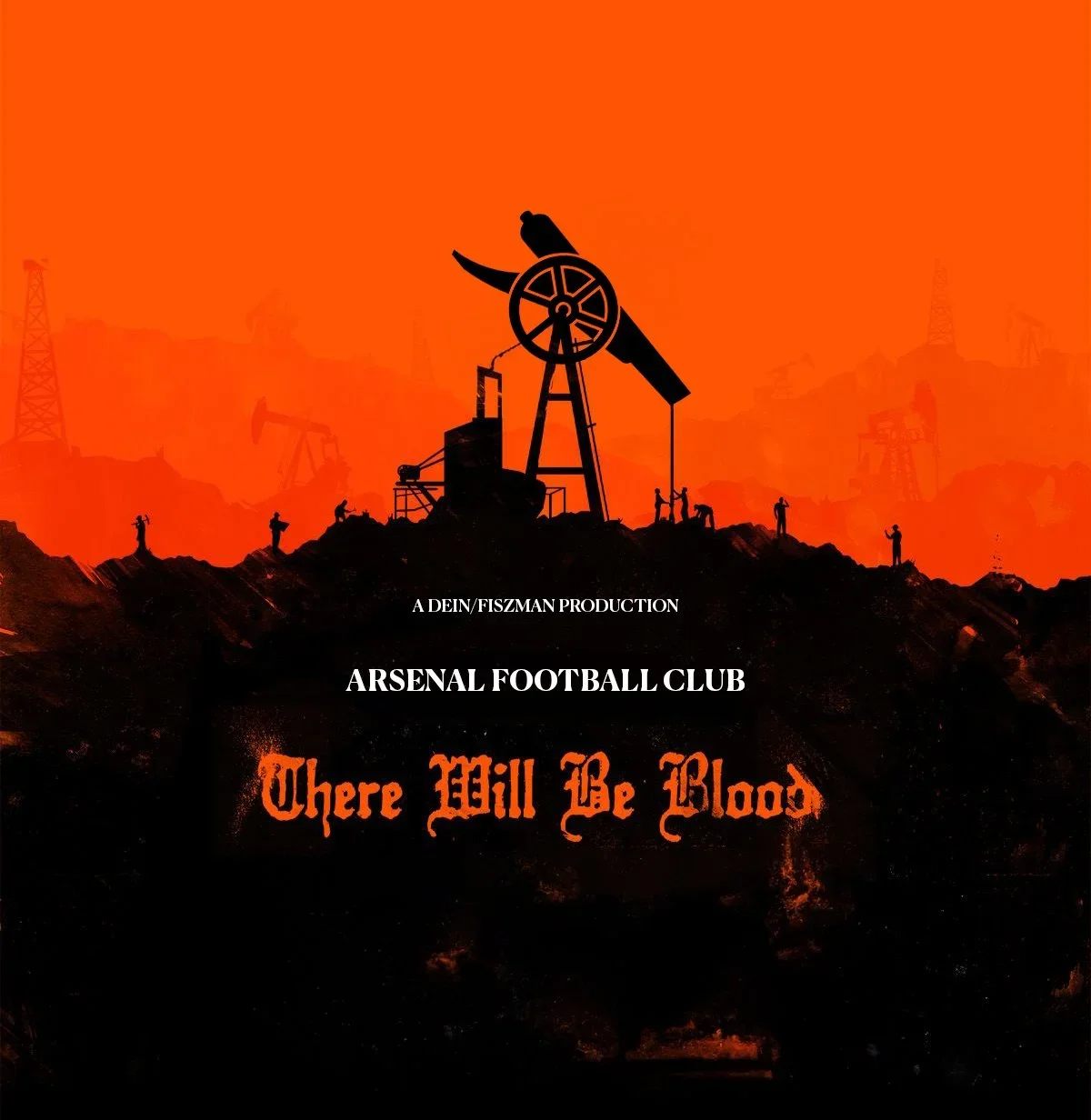
There Will Be Blood

When Arsenal turned their backs on the Marble Halls,
they paved the way for a new, cynical game.

Warm Up // A Vision from 2005

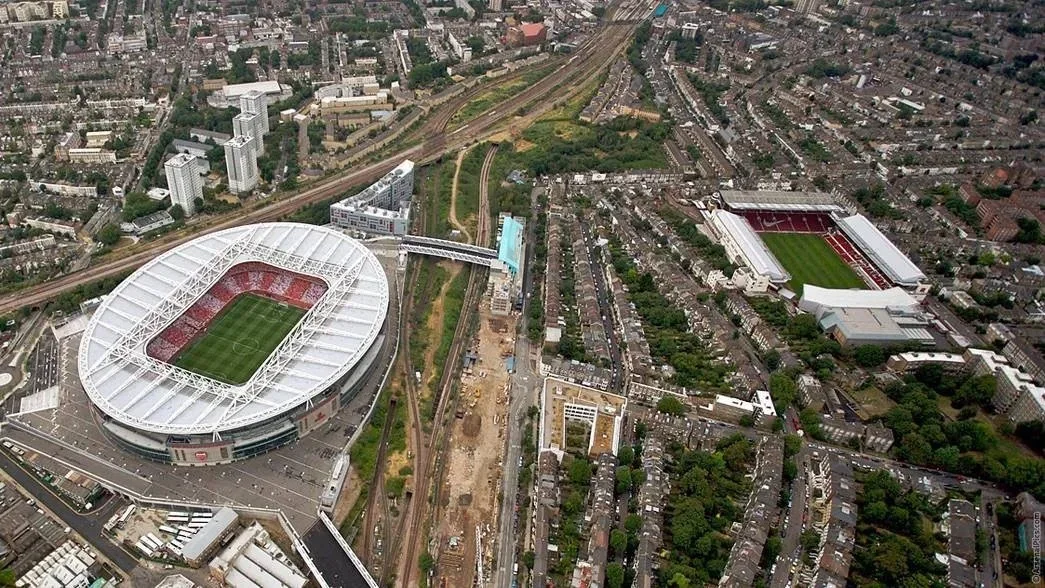
As a lifelong Arsenal fan, I had been living through a golden age in the club's history; multiple cups, an extraordinary manager and a new stadium being built as a symbol of its future ambition and financial growth.

But I couldn’t help feeling something was wrong with what was happening at the club, and with top-flight football in general. It led me to write a post on a Yahoo! Groups page that me and my friends had set up to chat shit about each other’s football teams and arrange nights out. Nothing can prepare you for reading how you wrote 20 years ago, but aside from the terrible grammar, there lay something that now feels somewhat prescient.

The post firmly planted my position as a contrarian Arsenal fan, totally going against the grain of cheering on this huge investment. In my emotionally immature state, I inferred that there was a river of slime (à la Ghostbusters II), under Highbury; starting from a bank and finishing at, what I called, the 'McArsenal Stadium'.

First Half // ‘Greed is good’

I felt that the real reason for building the stadium was nothing more than corporate greed, and for many of the directors of Arsenal, it represented a physical totem of their time at the club. An easier, more ownable way to say 'I built that'. Driven by ego and greed, and squeezing the juice out of the 100+ years of Arsenal history and success to turn it into a corporate entity focused on growth, EBITDA and profits for a chosen few to benefit directly from. A football club should be focused on investing in local young talent, sporting excellence and community. Putting fans first, not pricing them out of the game and the club that they helped make in the first place.

Almost twenty years later, this issue not only became a reality but it’s also spread to multiple clubs, and not just in the Premiership.

A snippet from my post in 2005:

"They want to be known as the futurists who saw a vision of Arsenal. They can forget it; they should be remembered as the men who cut short the era of invincibility at Arsenal. As soon as they saw Wenger's various sides win, win, win, they saw huge dollar signs and a chance to channel Wenger's energies away from football into corporate-sponsored bullshit."

Objectively, you cannot argue that having 60,000 fans at a game each week is going to give you greater revenues than a stadium that tops out at 37,000. It's a completely rational plan to bring in more money; no one can argue that point.

My point was, what were the motivations behind it all, the real motivation? At the time, I was angry at gullible fans who were eating up the PR from Arsenal at the time and just parroting it back. Many of my friends, who were Arsenal fans, were firmly in this position, and I imagine much of my anger was targeted at them and their inability to see the real big picture. Much like the recent Brexit disaster in the UK, controlling large groups of people with simplistic messaging and promises will always beat a more nuanced and complex truth about a situation.

In my job, I'm always asking clients 'What is your objective?', and it provides remarkable clarity. Often, they will speak to an execution (of an advertising campaign) as the objective, but that is a strategic output to get them nearer to their actual objective. Port that that Arsenal, and yes the stadium will bring in more money, fine, but what was the ultimate objective? Why do we need more money? Weren’t we fine before…when we were unbeaten for 49 games in 03/04?

A striking point made in a Wikipedia article on Arsenal that season:

The move to the Emirates Stadium in 2006 coincided with a transitional phase for the club. Several experienced first-teamers were displaced in favour of youth and the style of football shifted more towards ball retention. Arsenal have since failed to regain the league title.
— Wikipedia

Half Time // What are you in it for?

We were unbeatable for a whole season and had won trophy after trophy, with Wenger and all the existing infrastructure. My most cynical part of me smelled a rat, and like many deals done today, you wonder about the intention of the parties involved, and two types of ‘investment’ seem to occur, or even a combination of both:

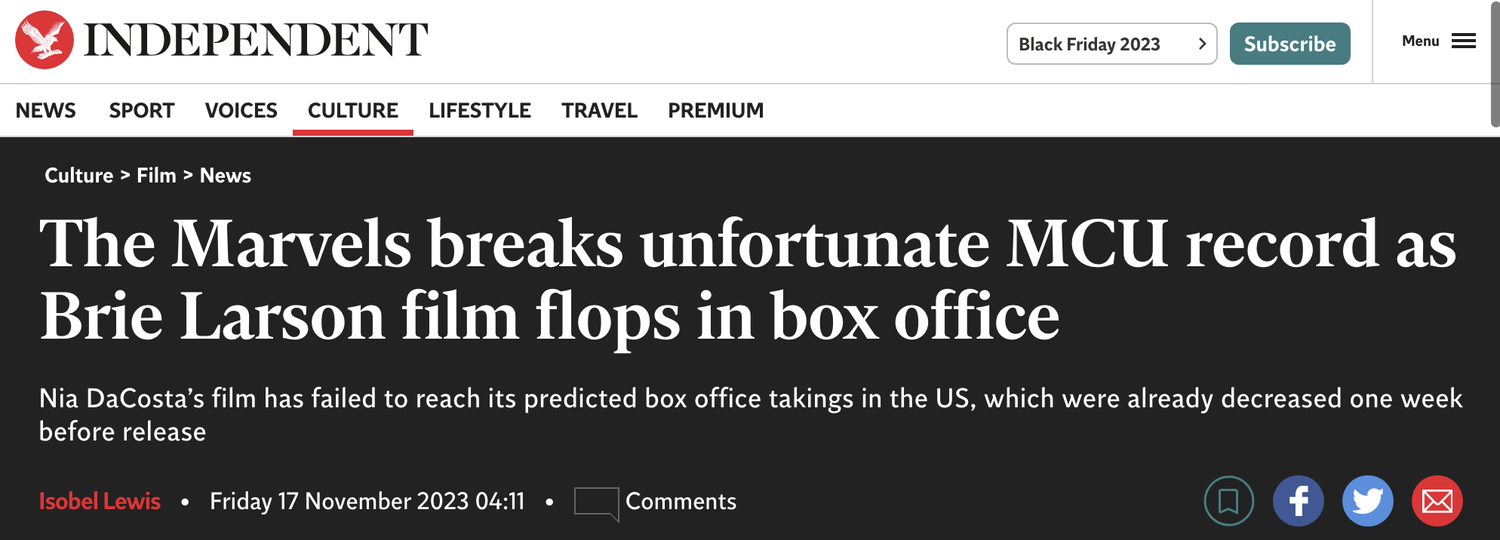
1) The core value of what made something great and, in turn, highly valuable, gets targeted to squeeze every ounce of 'value' from it. This is usually presented as ‘becoming a brand’, ‘reaching our global fans’, or ‘more fans can see the games with a bigger stadium’. Most big football clubs have embraced this lie, and Hollywood loves this one, squeezing the juice out of valuable IP, until everyone, including the fans, gets bored and looks elsewhere for entertainment; see Star Wars and Marvel as recent examples of ‘the thing that made it great in the first place is forgotten, but the shiny things that are easy to recreate keep getting pumped out for cinema tickets/streaming subs’. That is until they stop buying…

2) It’s not just to enrich or reinvest into the original source of value, it’s to benefit something completely unrelated to the value creation. Like the Glazer’s heaping millions of their debt to Manchester United when they bought it, (and seemingly have little care about that club since they took ownership), or the increasing amount of sportswashing, where people/organisations/countries are using sport to improve their tarnished reputations to, typically, Western audiences, in order, of course, to become more popular to make even more money and/or get more powerful.

Second Half // Money Talks

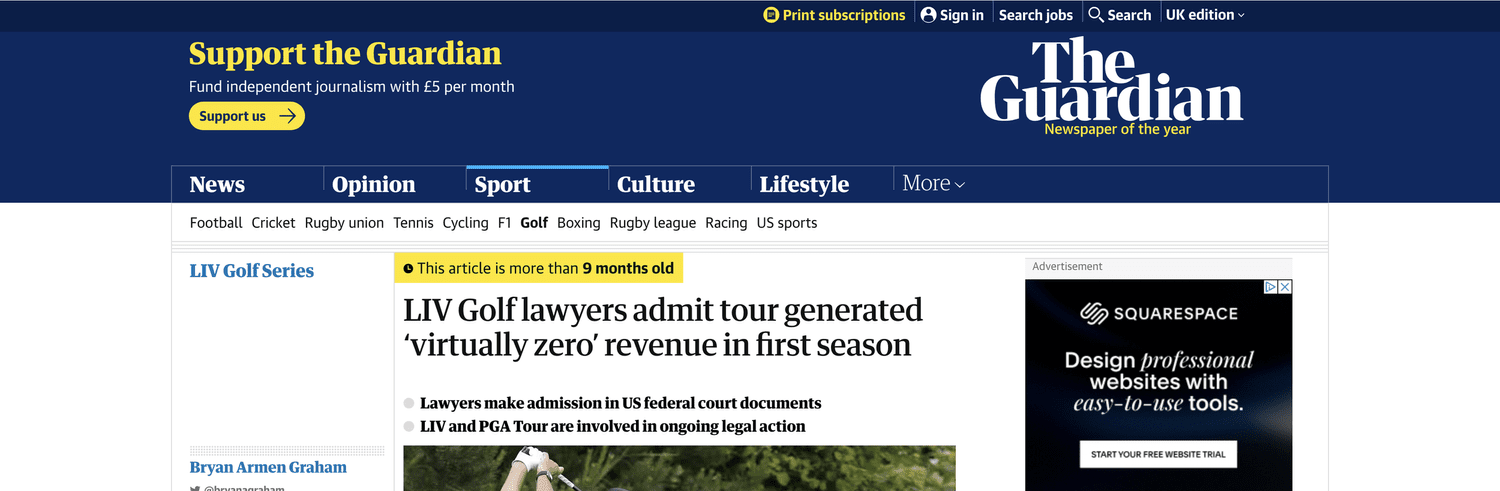
In golf’s case, perhaps the greatest example of this where an entire Tour was created by Saudi Arabia’s Public Investment Fund, forming LIV, to great controversy in 2022, especially with the perception of some of the leading golfers ‘defecting’ from the PGA Tour to the burgeoning startup. Interestingly in its first year, and after spending over $1 Billion on the set-up of the tour, including the lucrative contracts of the players, the tour brought in ZERO revenue. Not zero profits, zero revenue. I’ve only experienced this kind of wanton spending when playing the ‘god mode cheat’ in Sim City and just relentlessly building without having to worry about covering the costs from taxes.

The Public Investment Fund, has, obviously made inroads into football, both locally in Saudi Arabia, with 75% ownership of Al Hilal, Al Ahli, Al Ittihad and Al Nassr, where Cristiano Ronaldo now plays, and also on foreign turf in the UK with 80% of Newcastle United in the Premiership. Of course, the money will be gratefully received by the fans, especially as they sign bigger players and see trophies, I’ll be more interested to see how the club gets used outside of the Premiership and how the relationship evolves in time.
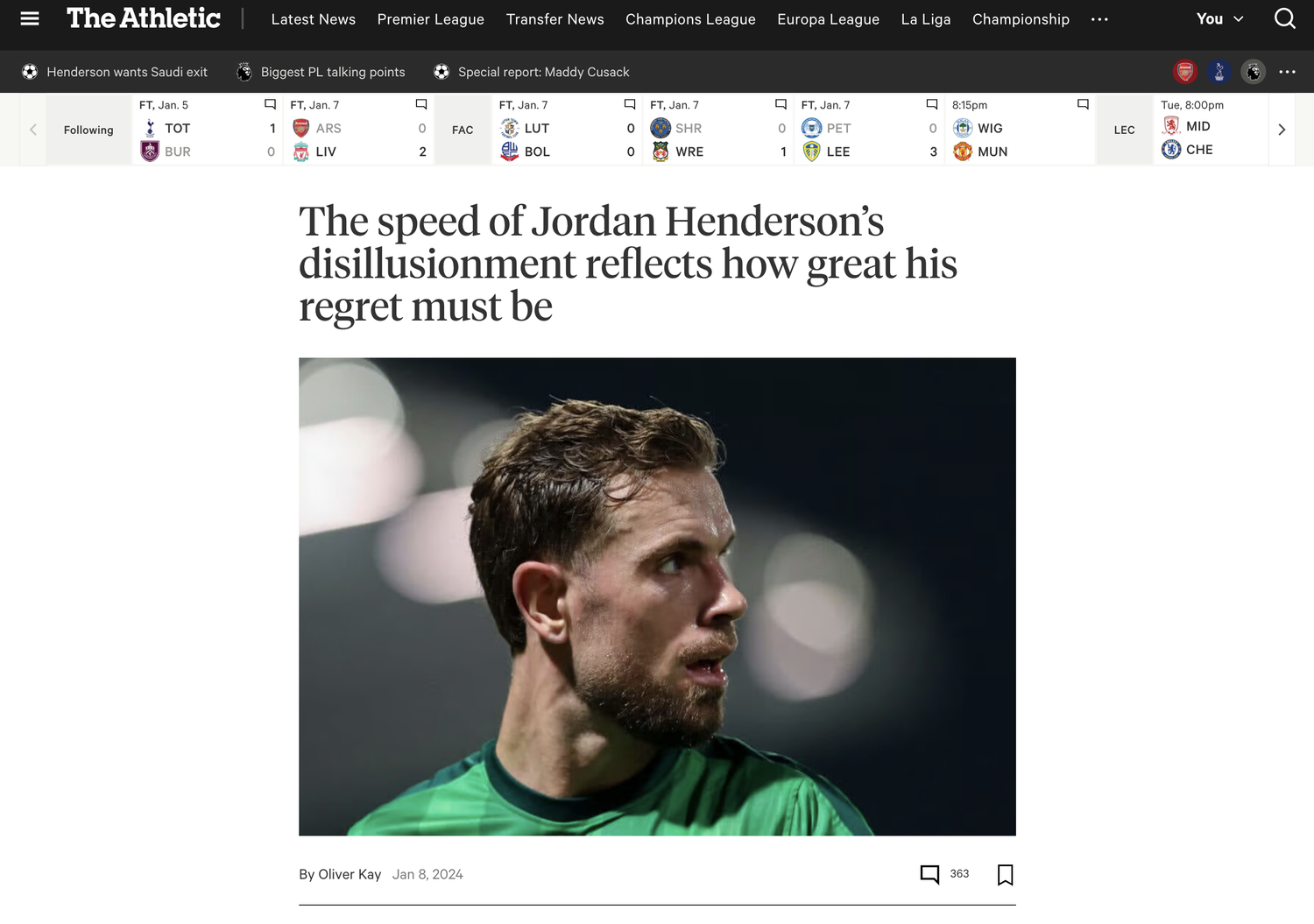
It’s interesting to see players leave the top flight in established clubs and leagues to extend their careers in Saudi Arabia too. You can’t knock someone for leaving for a huge payday, especially as their career comes to an end. But when they dance around this point and make vague attempts to express playing every game, or a new challenge in the top flight, you have to call bullshit. Jordan Henderson, who left Liverpool after Jurgen Klopp let him know he’ll probably play fewer games in upcoming seasons, decided to jump ship after a cup of tea with his old teammate, Steven Gerrard, who is the manager of Al-Ettifaq, where apparently they never once discussed money, and spoke about ‘the project’ of the club. I think if players were a little more Kenny Powers about this kind of move, the public would at the very least respect their decision.

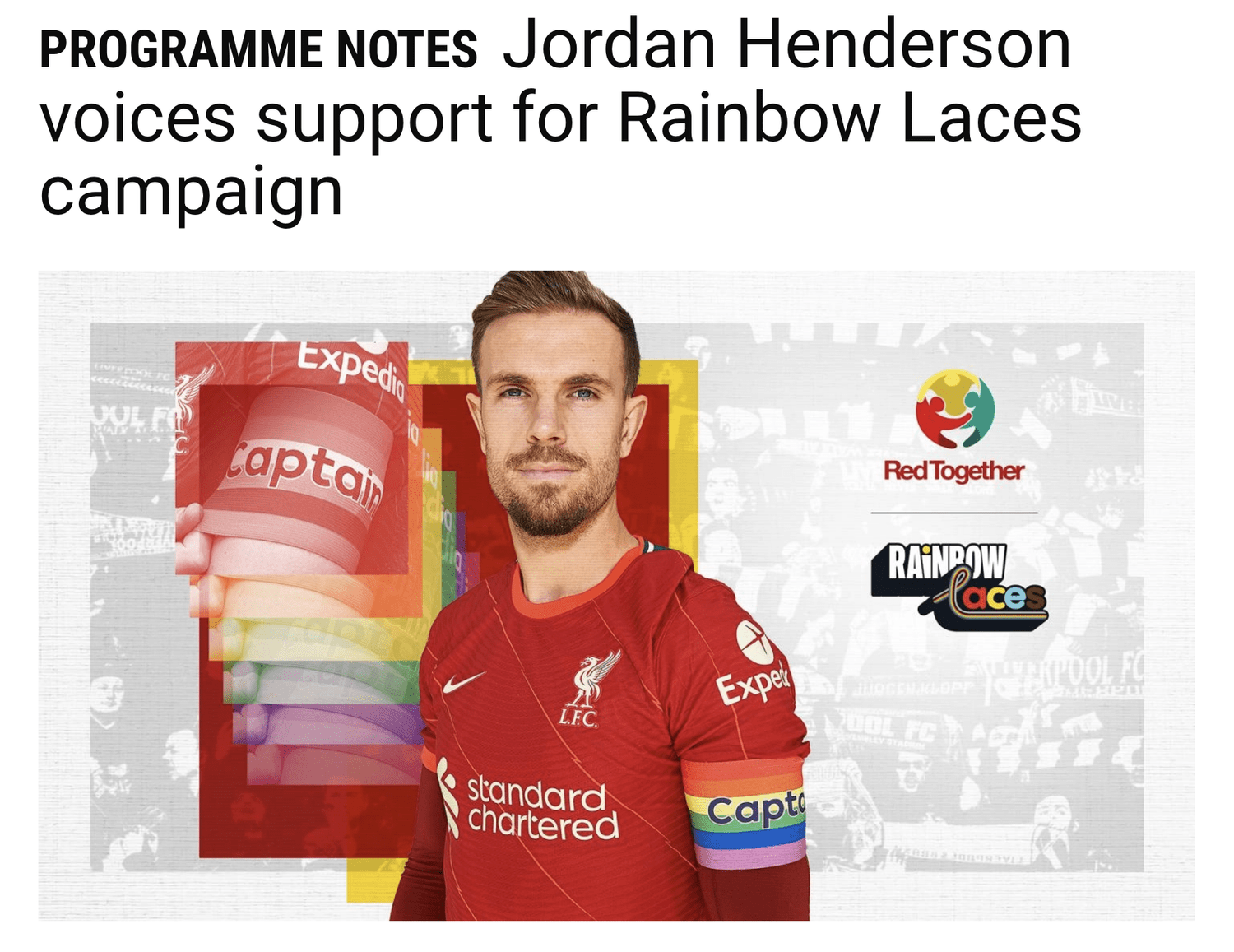
Henderson was also a known advocate for the LGBTQ+ community, often being the face of campaigns, like the Rainbow Laces campaign:

That’s where my own position on homophobia in football is rooted. Before I’m a footballer, I’m a parent, a husband, a son, a brother and a friend to the people in my life who matter so much to me. The idea that any of them would feel excluded from playing or attending a football match, simply for being and identifying as who they are, blows my mind.

The idea they’d have to hide from it to be accepted? But that’s exactly how too many members of the LGBT+ community feel. We know this because they tell us. So we should listen, support them and work to make it better.

I mentioned earlier that when asked about why there are no openly gay footballers in the men’s professional game in England I usually say I don’t have an answer to that. The other point I often make – and I hear other players and managers say this also – is the one place where there would be absolutely no issue at all is in the team dressing room and internal team environment. I absolutely stand by this.

The modern-day football environment, from my experience, is open and inclusive. It is welcoming. I’ve always believed in our dressing room you are judged on one very simple measure: your abilities as a player.
— Jordan Henderson in Liverpool FC's Website

There doesn’t appear to be any quotes from Henderson on Saudi Arabia’s LGBTQ+ policies, where male and female expressions of same-sex sexual activity are illegal within the nation.

Lewis Hamilton has been vocal in his frustration of Formula 1 doings ‘its bit’ for sportwashing, when it held its first Grand Prix in Saudi Arabia in 2021.

We don’t choose where we’re going, others have chosen for us to be here, so we have to apply the pressure on them to make sure that they are doing right by the people in those places, sparking conversations, creating that uncomfortable discussion that is needed in these places,” he explained.

Do I feel comfortable here? I wouldn’t say that I do.

But it’s not my choice to be here. The sport has taken the choice to be here.
— Lewis Hamilton, 2021

Why does ‘the sport’ decide to go there?

On 27 July 2023, Henderson signed for Al-Ettifaq for a reported transfer fee of £12 million, his salary is not officially known, I’d be amazed if it was the rumoured £700k a week, which he has denied, but Ronaldo is getting a ridiculous £3.6m a week.

I wanted something that would excite me
— Jordan Henderson

Two months later, in September 2023, he played in a 3-1 win away to Abha, and bore witness to an official attendance of just 976 spectators.

Advertising legend, Bill Bernbach, is famously quoted as saying, “It’s not a principle until it costs you money”, in Henderson’s case he’s seemingly dropped all his principles for money. Playing to 1000 people will hardly get the adrenaline pumping, and we await to see how his LGBTQ+ outreach work goes in Saudi Arabia.

I’ve been writing this post for so long, that Henderson has now said he wants to move back. Such is life.

Full Time // Highbury

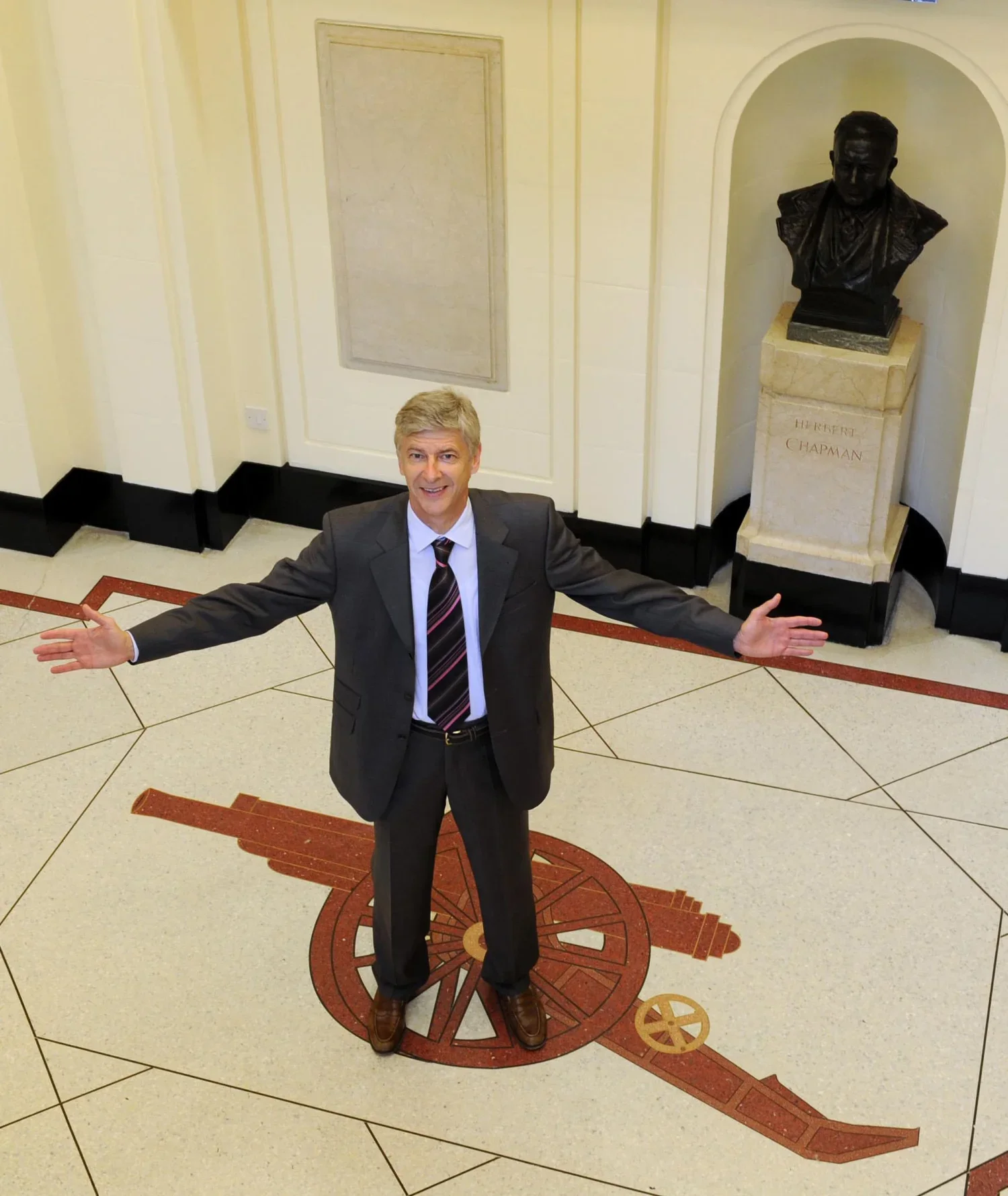
Coming back to the Marble Halls, or what used to be. You can’t blame me, I grew up going to Highbury with my Dad, all through the 90’s. I remember visiting the actual Marble Halls when we picked out our season tickets, in what would’ve been around the 94/95 season, which was the tail end of the George Graham era. I remember walking past the Herbert Chapman bust where you see Arsene Wenger, below. It certainly hits differently than walking through the Emirates now.

We had seats in the East Stand that was technically above the Marble Halls, in the upper tier not far from the centre. I loved going, and whilst looking back I can’t help feel I took it for granted, I wouldn’t stop from critiquing the sides if I felt they weren’t trying hard enough. It’s one thing I just can’t comprehend in general, but when you’re being paid so much, if it looks like you’re not even trying I’d have a huge issue with it.

The atmosphere was always fantastic, with the Clock End always punching above its weight out-singing the newly improved North Bank, and am sure threw their fair share of punches in post-match tussles with away fans. The East Stand was a little more refined, and at the time was seen more like the ‘library’ compared to the Clock End & North Bank, but from recent experiences, and other continual comments from fans, the Emirates seems to make the East Stand more like the Clock End in comparison.

I’ve seen this at the new Spurs stadium too, where the amazing facilities make it feel like you’re going to see Taylor Swift at Madison Square Garden, but at a game I went to from a director’s box, the whole experience felt so removed from the actual game, I barely engaged with it. Not many other fans seemed to, whether in regular seats or in a box. Lack of match day atmosphere is something that is continually commented on, across teams in the Premiership.

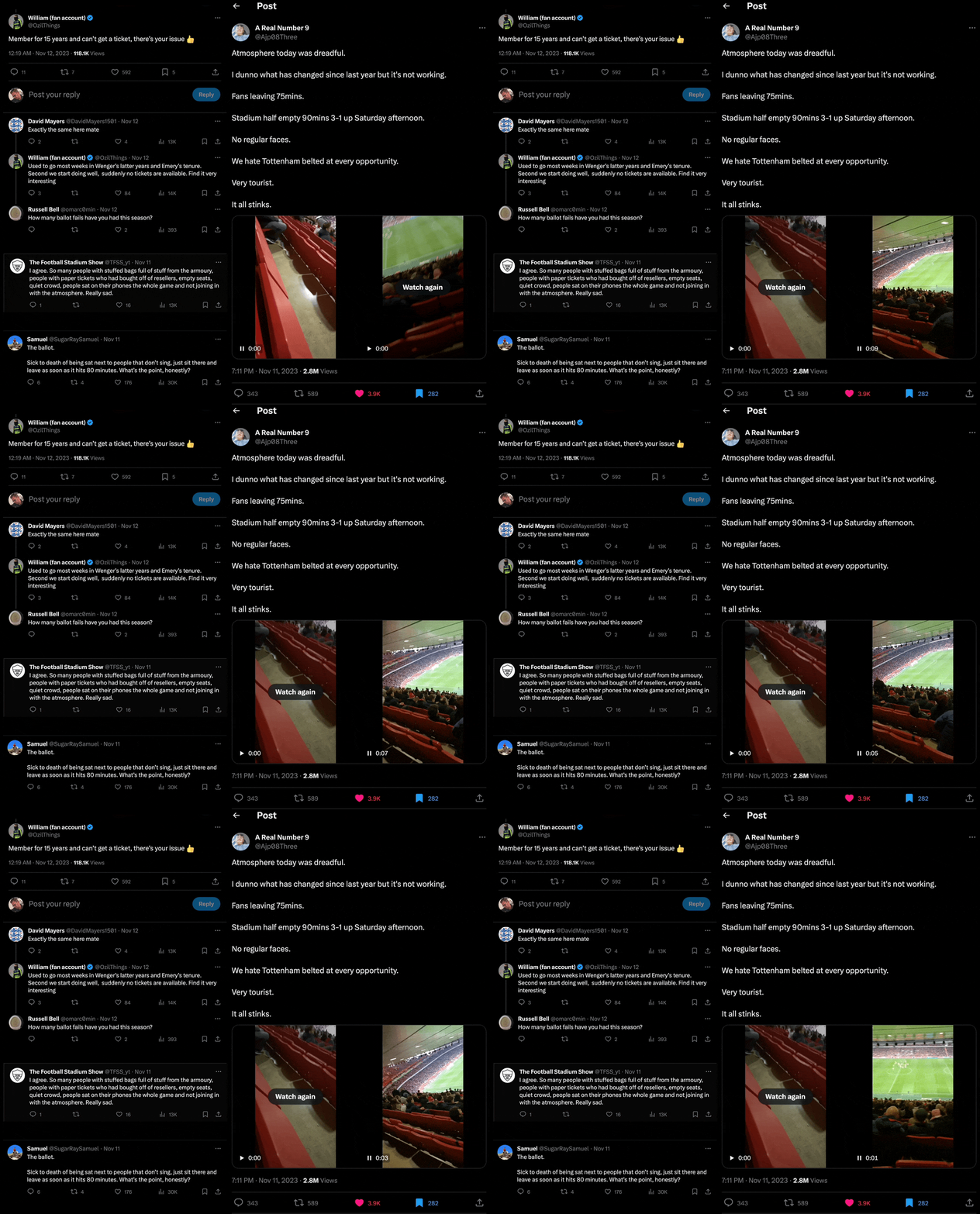
As the tweets above reflect, the typical local/loyal/real fans are no longer the priority to clubs, as batches of tickets are made available for anyone with either the finances or inclination to sign up for various membership levels of the club, or signing up to ballots, which randomises who gets to go.

As I’ve said before, I don’t disagree that having a modern stadium isn’t necessarily a bad thing, it’s the rationale that was stated publicly that clearly isn’t aligned with the true intentions of the owners. Did they really want to allow more fans to come on match day or to actually allow high net worth individuals to enjoy an ‘experience’ around match day, and leech off the atmosphere that the remaining ‘real fans’ supply to the stadium on match day?

The actual focus of the value within the actual sport that made football so successful has then inevitably built this corporate aspect around it in order to monetise it so ruthlessly that it’s in danger of killing the ‘host body’ of the sport itself.

This flagrant disregard to the fans, and the sport in general, made its most clear expression when the long-rumoured Super League was announced. In 2021, via press release, it was announced that twelve European football clubs had agreed to the creation of a new League, including; Arsenal, Chelsea, Liverpool, Manchester City, Manchester United, Tottenham Hotspur, Inter Milan, Juventus, Milan, Atlético Madrid, Barcelona, and Real Madrid. Initially proposed to replace the Champions League, but there were fears it could grow to even take over the domestic leagues.

The ringleaders to this were A22, a company founded by an ex-TV broadcast CEO and two bankers, in addition to the ‘executive leadership’ of Florentino Pérez (president of Real Madrid), Andrea Agnelli (chairman of Juventus), Joel Glazer (co-owner of Manchester United), John W. Henry (owner of Liverpool) and Stan Kroenke (owner of Arsenal).

Pérez expressed the “hope” that the new competition would “provide higher-quality matches and additional financial resources for the overall football pyramid”, provide “significantly greater economic growth and support for European football via a long-term commitment to uncapped solidarity payments, which will grow in line with league revenues
— Wikipedia

Once again the same kind of quotes are bandied around when we know it’s just for them and their corporate backers to squeeze even more money out of the game. How can you say with a straight face it will provide higher-quality matches?

It is, and always will be, a highly cynical money-making operation. And as the organised group A22, is run by people with experience in TV rights and packaging content for audiences, along with two financiers, the motivation is clear.

The one positive that came out of this was the speed the English clubs all backtracked once the negative backlash reached a critical point, showing there was at least one small part left in these clubs that was listening to the fans.

Extra Time // What’s the solution?

Money is the issue, and with such a highly successful sport as Football, it will continually attract money and people wanting to profit from the game, financially or politically. In the most extreme cases, regulation around who is/isn’t allowed to buy shares in clubs, and perhaps banning of a controlling/influential percentage of ownership if you’re not based in the same country or even better, city, of the sports team in question, should be explored. It is hugely complex to oversee and police but there are owners that everyone can see have no clue about the sport, are proactively heaping debt on the clubs they own, or have no clear connection to it. Those reasons alone should be key factors in determining the suitability of ownership, or more simply, do they give a shit about football?

Financially, caps need to come in across the board, players wages alone have been a huge driver of this issue, it’s out of hand and it all needs to come down to more realistic levels. There is no need to pay someone more than six figures a week to kick a pig’s pancreas around. There should be a globally stated maximum amount, relative to location, which is updated every year, and then adjusted based on where the teams are in the world. If you look back to the mid to late 1990s when the Premiership was in full flow, that feels like the right level of transfer fees and wages - sustainable for owners and fans alike, and not too much money to distort the brain waves of the footballers.

Highlights

Twenty years ago the cards were on the table, big money was flooding in, billionaires who wanted to diversify their portfolios could buy clubs like I’d pick a sandwich in Pret, and more recently, countries who wanted to PR their way out of the history books have managed to work their way in.

The game already feels like a shell of what it was, the Disneyification, where fans will be more interested in how big the cupholders are on their seat, or where the USB ports are, rather than who’s in the starting lineup or the game's flow.

When core, local fans can’t get tickets to the game, and the people who go aren’t interested in the actual match and are more focused on updating their feed with what they did that weekend.

When players seem indifferent to their or their team’s success, once they are financially secure.

When managers cycle through their jobs before they have a chance to get to know their players, let alone lay meaningful foundations.

When owners have no interest in the game, or knowledge, and are using it to offload debt, diversify, give a family member a job or worse subvert reality to their whim.

What have we let the sport become when a large majority of these roles are not adding any value to it?

What’s genuinely left of the game we grew up watching?

We need to protect sport and the clubs, players and supporters that are the engine of them.
If we squeeze them too hard or fully sell out, there’ll be no juice left. Then what happens?
The ‘money’ leaves and leaves everyone left to pick up the pieces.

As Eric Schmidt says, ‘Revenue solves all known problems’, if we look at LIV Golf, you can see these investors are playing a different game altogether, revenue is not even important to them as they have almost unlimited funds. For this level of investor, it requires a denial of attention from the fans to truly defeat them.

Every sporting association, that is seemingly allowing corruption to walk in, should remain focused on creating sustainable, profitable and sincere platforms for leagues, clubs and players to flourish, otherwise, we are going to kill off these institutions.

As a reminder of the scale of this issue, Saudi Arabia will host the FIFA World Cup in 2034.

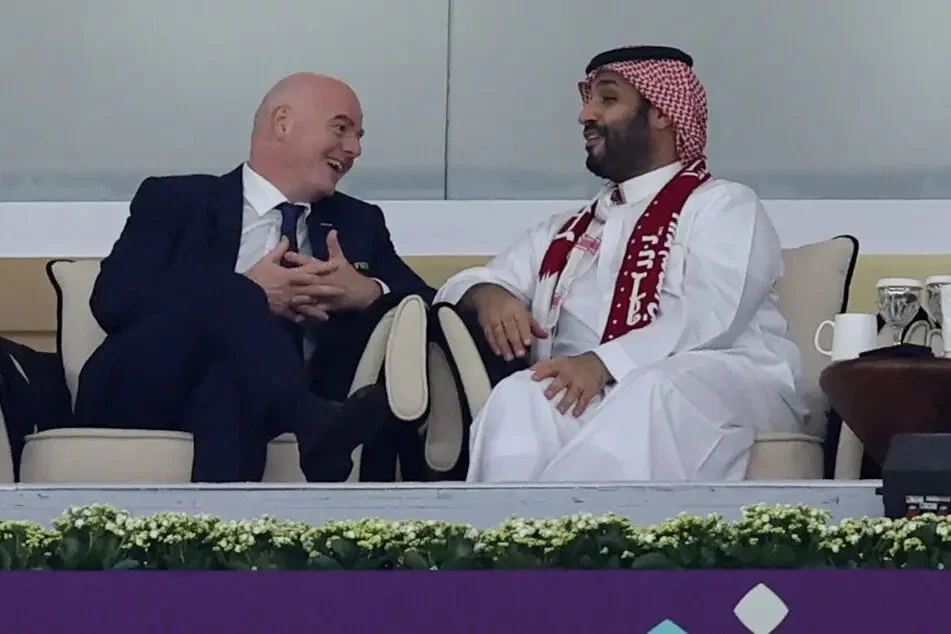
Gianni Infantino, the FIFA president, with Mohammed bin Salman, the crown prince of Saudi Arabia, at the 2022 World Cup.
Credit - Amin Mohammad Jamali/Getty Images